




Length
Guests
Cabins
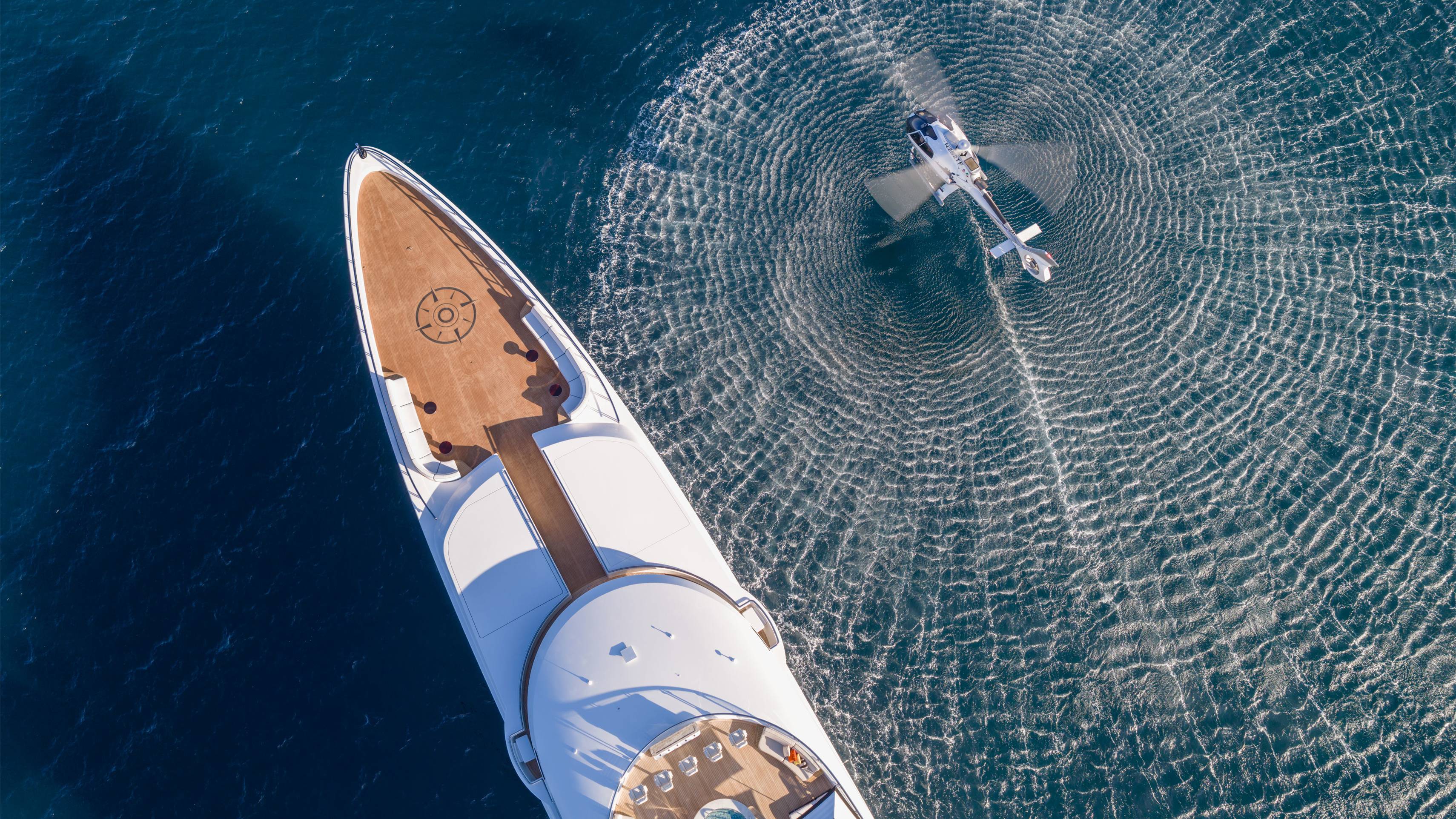
Buying your first yacht is rarely driven by logic alone. It often starts with a feeling. The thrill and freedom of time well spent on the water. And the sense that one week a year is no longer enough.
Chartering offers incredible freedom and variety. Ownership offers something different again: your yacht, your crew, your programme, shaped around the way you actually want to spend your time on the water.
And with the right team around you, the practical side of ownership becomes much easier to navigate. With Y.CO management, you keep the pleasure and freedom while we help manage the detail: drawing on the experience of a large managed fleet to build realistic budgets, provide clear cost visibility, balance charter and private use, and support you from purchase through to long-term ownership and eventual resale.
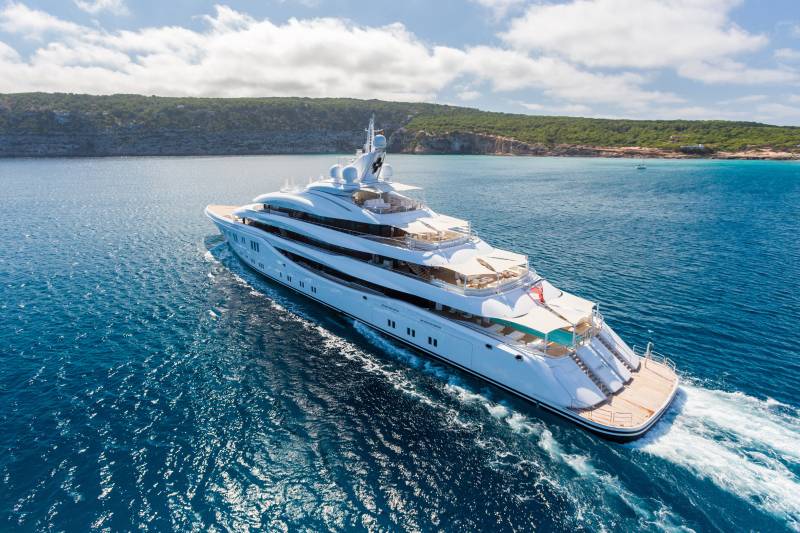
Why do so many long-term charter clients eventually choose to buy? According to the Y.CO sales team, it often comes down to freedom and familiarity.
Flexibility is key. “With chartering, you’re renting someone else’s yacht,” explains James Pool. “With ownership, you control where the yacht goes, who runs it, and the culture on board. You can shape it around how you actually want to live.”
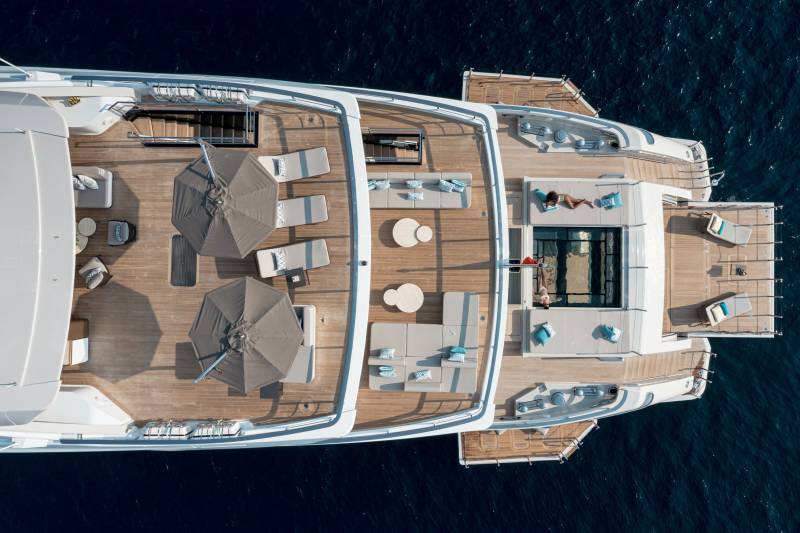
Sales expert Ben Ritchie has seen that shift happen many times from the bridge. “Every charter guest eventually starts asking the captain the same questions,” he says. “‘What does it cost to run? How much is the yacht to buy?’ When people are already chartering regularly, ownership is usually already on their mind.”
For many, the move into ownership is less a leap and more a natural next step, built on experience and a clearer sense of what they want from life on the water.

There is also a practical tipping point. For frequent charterers, the questions around ownership naturally start to change. “Once clients are chartering six to eight weeks a year, ownership becomes a logical step,” says Tomaso Polli. “Beyond that, it often makes sense to look seriously at what ownership could offer.” The equation depends on the yacht, how you intend to use it, its running costs, charter potential and your wider ownership plans. But once you are spending significant time on board each year, it can make sense to explore what ownership would look like — not simply financially, but in terms of the freedom, continuity and control it gives you.
For regular charter clients, it is often a conversation worth having.
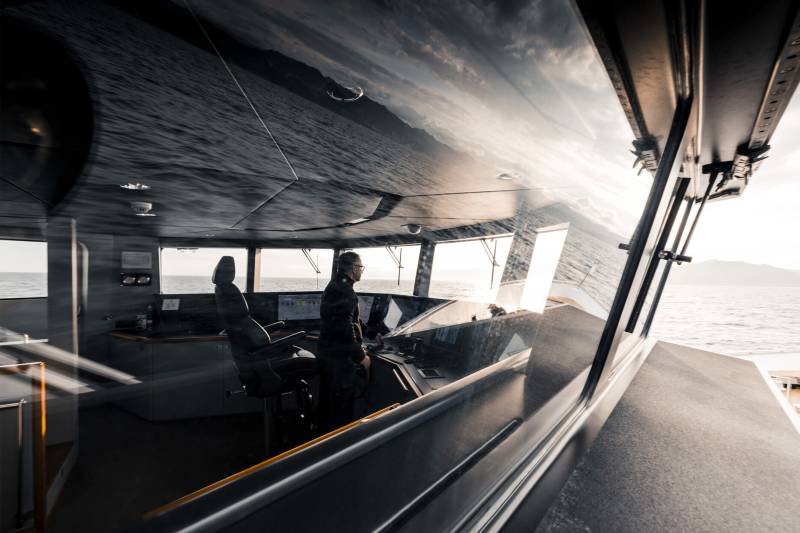
Chartering offers variety, but it also means different yachts, different crews, and a reset each time.
Ownership brings continuity. Over time, owners build a team they know and trust. A crew that understands how you like to spend your time on board, what matters to your family, and how you want the yacht to operate. The experience becomes more instinctive, more personal and less about starting again each time. “As an owner, you have the opportunity to mould a boat and send it to places where you want to go, with the right people on board, the right training, and the right skills,” James Pool adds.
And that continuity goes beyond the crew. The yacht itself can evolve around the way you use it — from the toys and tenders on board to itineraries, routines and the way spaces work for family and friends. Each season builds on the last.
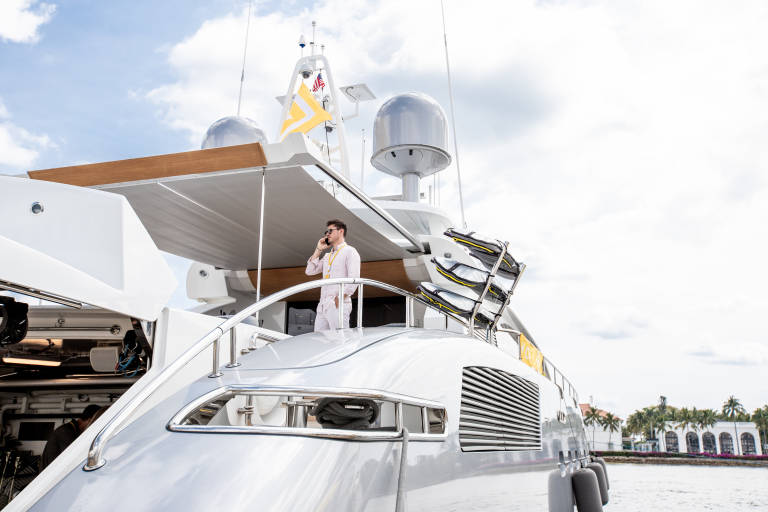
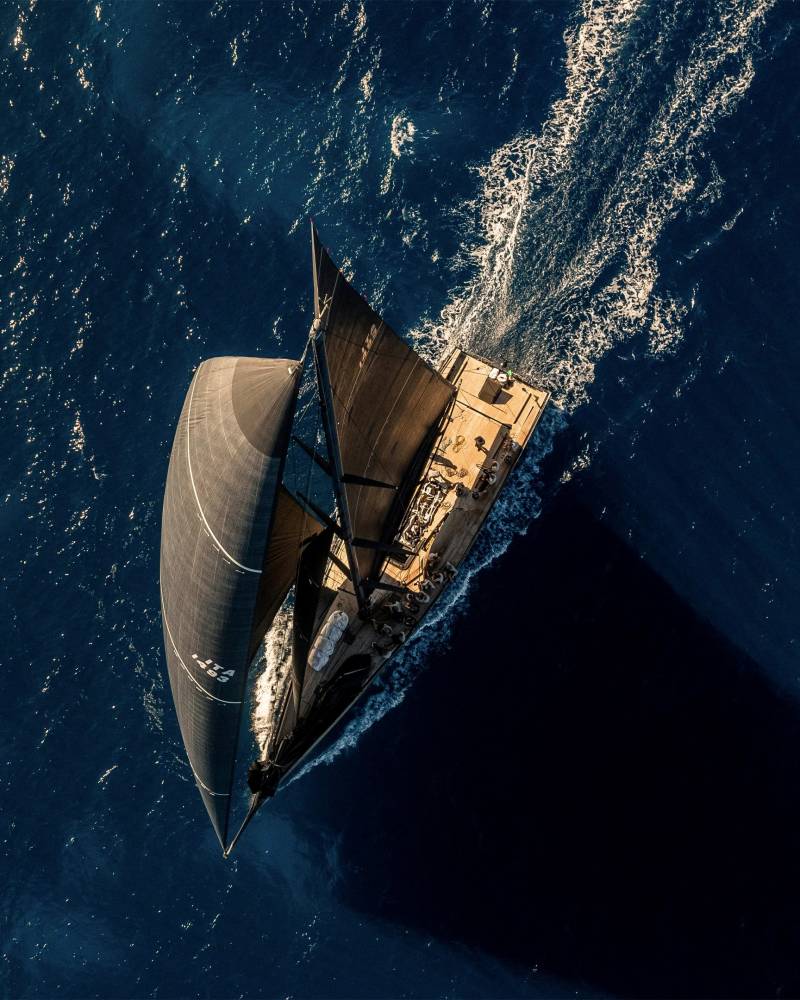
There are smart ways to step into ownership, especially with the right team around you. The goal isn’t simply to buy a yacht. It’s to choose one that fits how you want to use it now, and how you may want to sell it later.
As Max Bulley explains, long-term thinking is central to how Y.CO approaches every purchase. “We’re there for the whole journey. If I’m going to sell the yacht for you in five or ten years, I want to make sure it’s the right yacht from the start. That’s the Y.CO difference. It’s our responsibility.”
Market conditions matter too. Purchase price is only one part of the picture; pedigree, condition, maintenance history, specification and ongoing investment can all influence how a yacht performs in the resale market.
That is why we think beyond the initial purchase. Choosing the right yacht, buying well and looking after it properly all matter when the time eventually comes to sell.
“With the right advice and a considered approach, yacht ownership can be a very positive experience. We’re not saying it won’t cost money, but there are smart ways to do it.”
Yachts
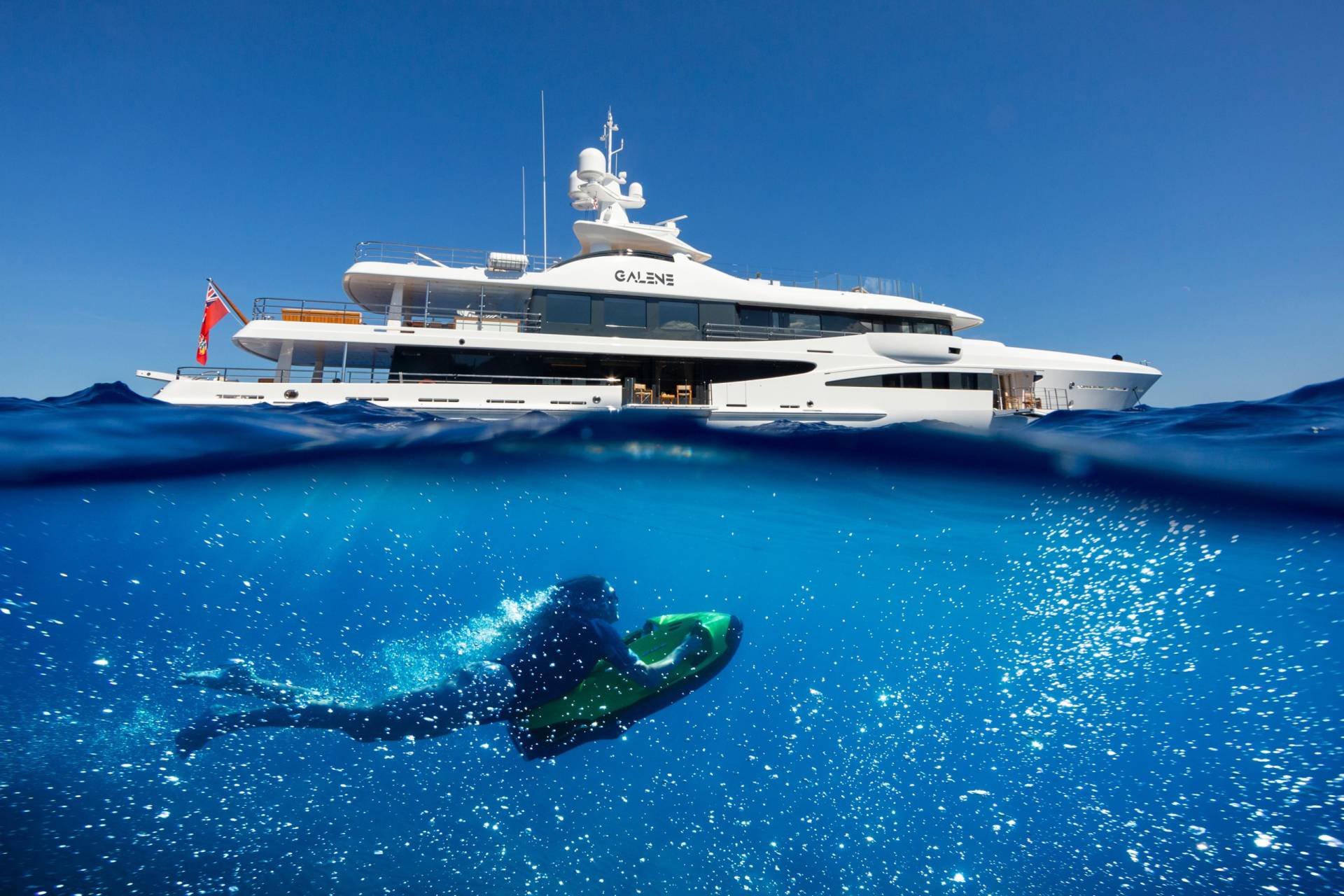

For many owners, charter is part of the plan from day one. Not only for the revenue it can generate, but for how it keeps a yacht active. Crew remain engaged. The yacht operates throughout the season. Maintenance and operational routines stay in motion.
Sales broker Tomaso Polli has seen how effective this can be when charter is planned properly. “I have clients who charter 12 to 14 weeks a year,” says Tomaso. “At that point, ownership can start to make sense in a different way. And if the yacht is chartered when you’re not using it, that income can make a meaningful contribution towards the cost of running it.”
That structure does require flexibility. Owners may need to work around popular charter periods or school holidays. But with clear planning, it is possible to enjoy significant private use alongside a well-balanced charter calendar.
Charter income is best viewed as a contribution towards running costs rather than a financial return in itself. What matters most is how charter is managed. At Y.CO, charter is treated with the same care and discipline as private ownership. The aim is to protect the yacht, support the crew and make sure charter activity works around the owner’s plans, both financially and operationally.
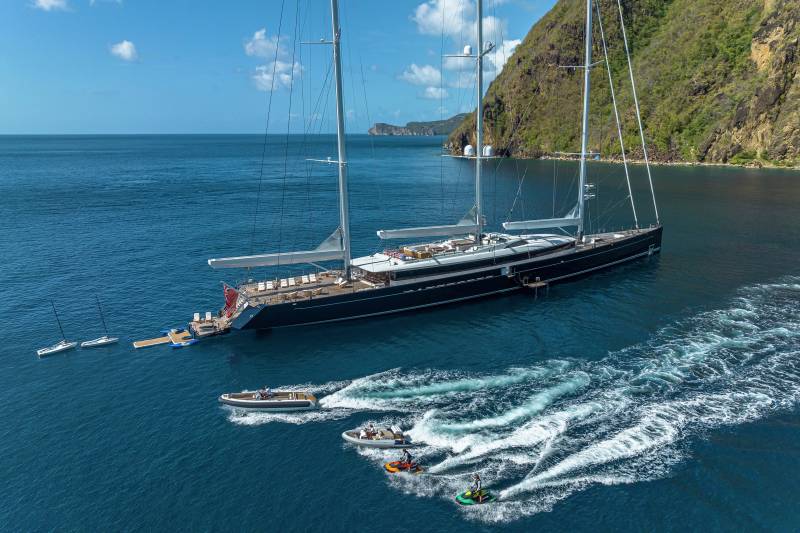


From the outset, Y.CO acts as the central point of coordination between the owner, captain, crew, family office, and trusted external specialists. Our role is to oversee the yacht as a complete operation, not as a collection of isolated tasks.
As Mark Paterson, Head of Y.CO Client Services explains, many first-time owners approach yacht ownership like property or other assets. “A yacht is different. It’s an emotional purchase, and it needs managing in a way that protects both the asset and the enjoyment.”
We handle oversight, reporting, and long-term planning, allowing owners to stay informed without being drawn into the back and forward of daily decision-making.
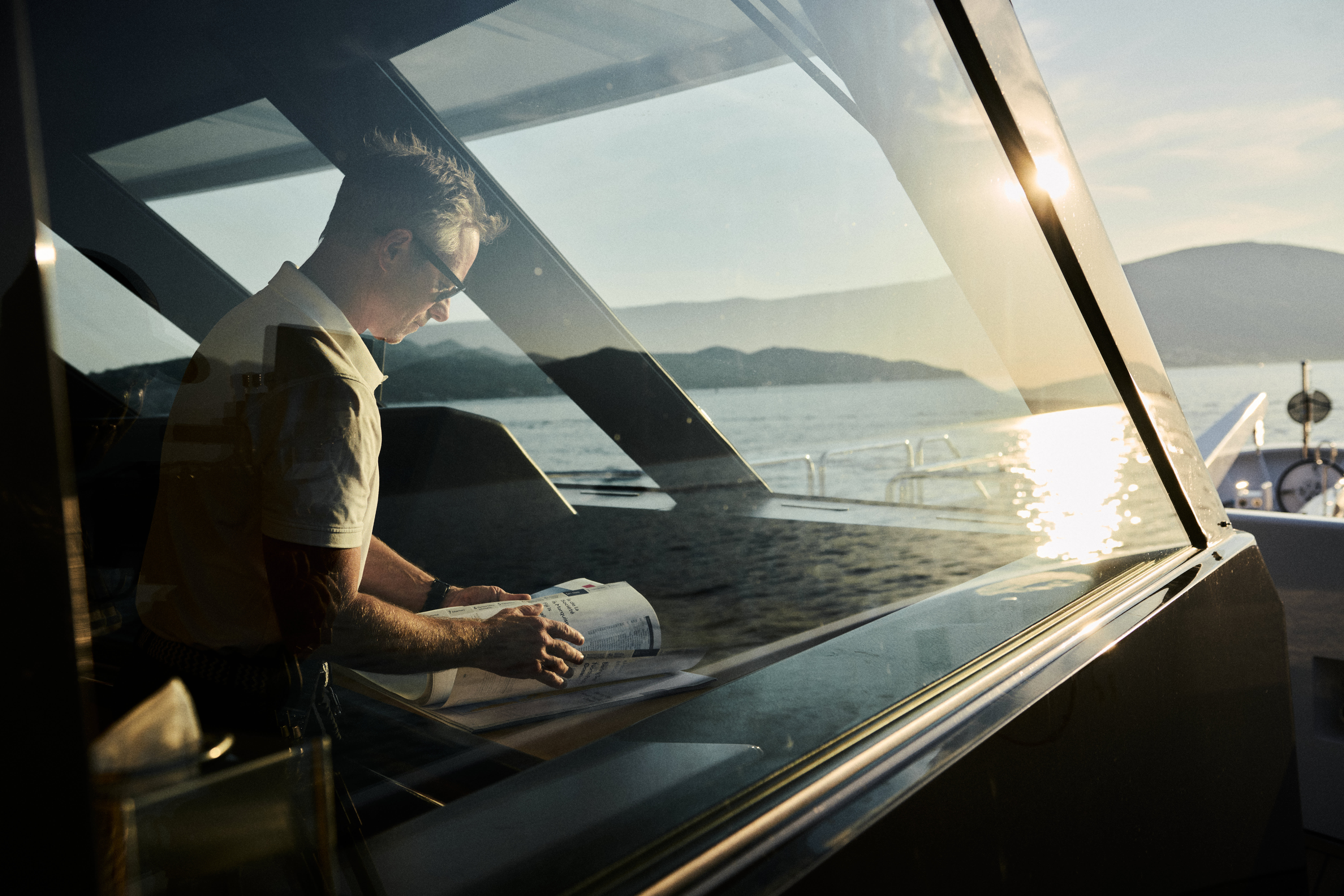
Full visibility does not mean constant involvement.
Y.CO creates a detailed annual operating budget informed by real data from comparable yacht operations. This budget becomes the backbone of the yacht’s operation.
“We’re not here to understate costs,” says Mark. “We advise owners what it actually costs to run the yacht efficiently .”
Spending limits, approval processes, and reporting are agreed upfront. Owners receive clear monthly reporting and can access live financial information at any time through secure systems.
Everything is laid out clearly, in plain language, so owners can see what is planned, what is being spent and where costs may change.

From fuel and provisioning to medical planning and berthing, yacht logistics are complex and time sensitive.
Y.CO manages these requirements quietly in the background. Owners don’t need to worry about where fuel is available, how to clear customs, or why a port change is required. Those decisions are handled before they become issues.
As Mark notes, many owners only realise the complexity when they see it on a budget line.
“Things like export requirements or mandatory repositioning trips catch people by surprise if they’re not managed properly.”
With experience comes anticipation. That’s what prevents disruption.
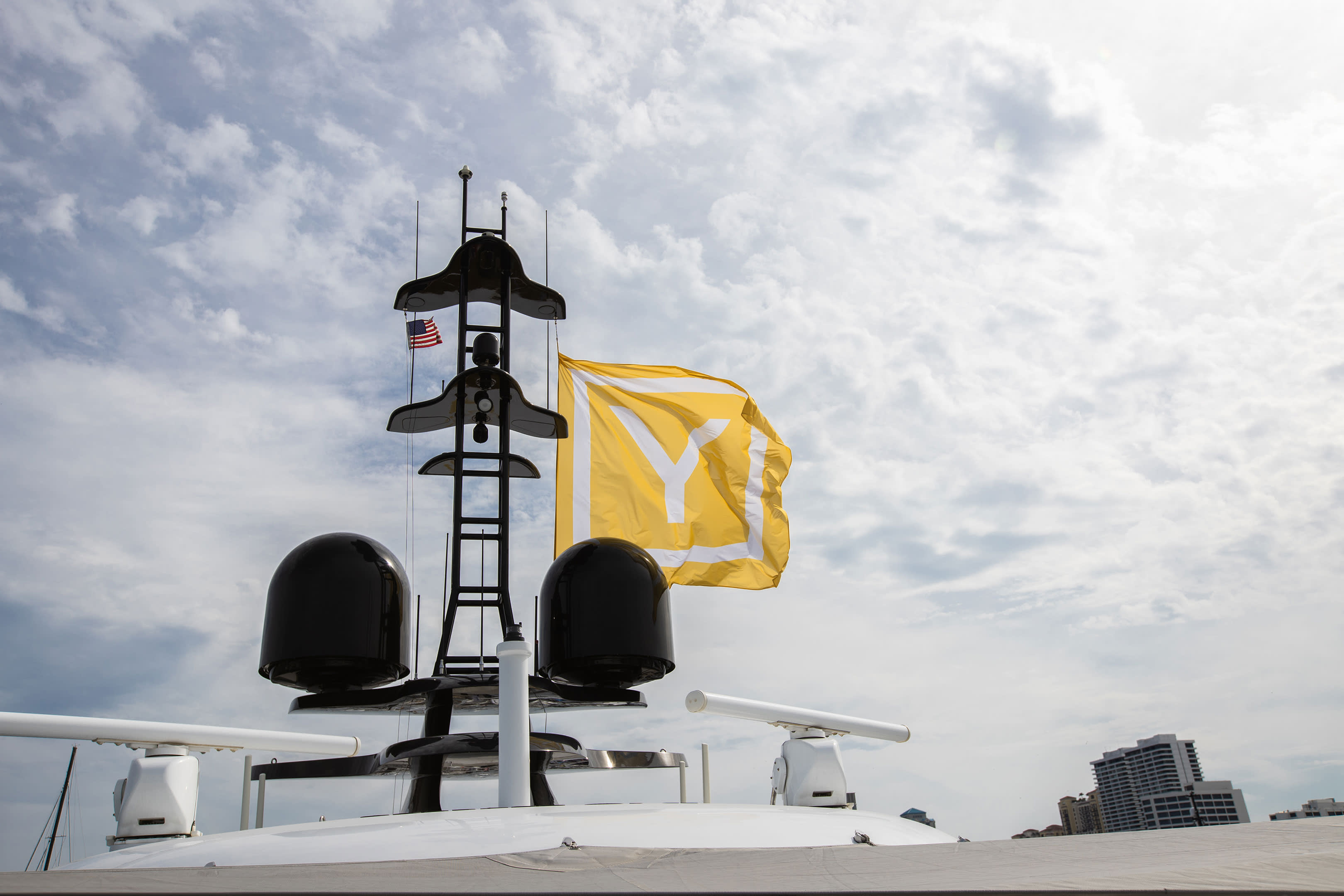
Regulation is one of the least visible parts of yacht ownership, until it’s missed.
Survey cycles, flag requirements, safety compliance, and operational rules vary depending on where and how the yacht operates. Most first-time owners are unaware of how quickly these obligations arrive.
“There are rules and regulations that owners simply don’t expect,” Mark explains. “Survey cycles, flag state requirements, and cruising limitations are not on a family office’s radar.”
Y.CO proactively tracks these requirements, schedules inspections and works with Captains, flag states, class societies, authorities and specialist advisers to support the yacht’s ongoing compliance wherever it operates.

One of the biggest concerns for new owners is the responsibility that comes with employing and managing a large professional crew. But crew should not be viewed simply as an operating cost. The right crew is an investment in the yacht, the owner’s experience and the long-term value of the asset.
In practice, yachts are commonly operated through established maritime ownership and employment structures designed around the yacht, its flag, operating profile and the owner’s circumstances.
“It’s a common misconception that owners need to handle crew employment themselves,” Mark explains. “With the right maritime structures in place, contracts, payroll and HR can be managed through the appropriate specialist providers. But the investment in finding, developing and retaining the right crew is one of the most important decisions an owner can make.”
Y.CO coordinates with the teams looking after recruitment, supports crew development, and helps uphold welfare standards. The result is continuity on board, familiar faces for the owner, and a stable working environment for crew.
Crew is where ownership really comes into its own. Charter guests experience excellent service, but it is brief. Ownership allows relationships to form. A crew that learns your preferences, your family, your pace.
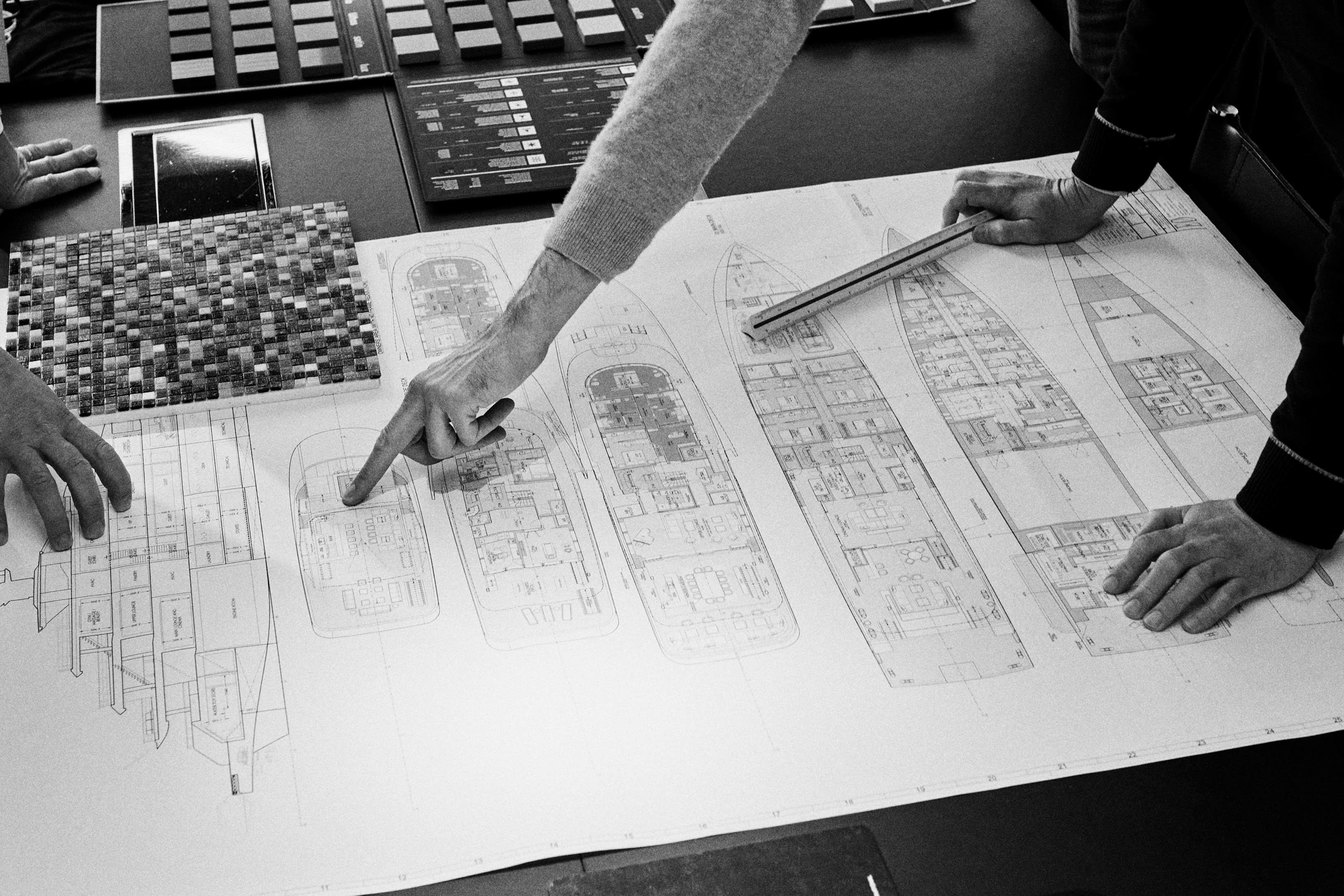
A yacht is a working asset, even when it’s not in use.
Reducing crew or maintenance outside the season may appear to save money, but it often leads to higher costs later. Mark sees this regularly.
“For yachts over 30 metres, cutting crew costs creates a false economy. Each season, it costs more to bring the yacht back to standard.”
Y.CO plans maintenance year-round, schedules yard periods and ensures the yacht is ready when the owner steps on board. The aim is consistency, reliability, and long-term value.
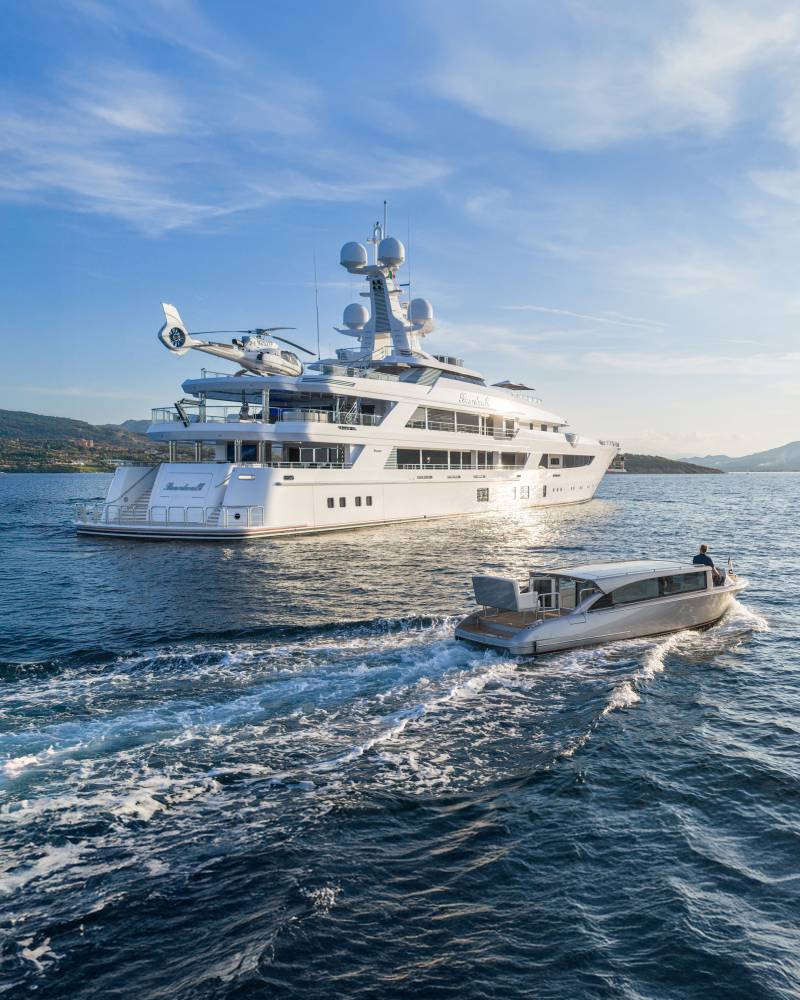
Owning a yacht is about more than the purchase itself. It’s about creating something that works around the way you want to spend your time — and having the right people around you to make that possible.
“Buying or building your own yacht is the pinnacle of yachting for many clients. How you get there — and how the yacht is looked after once you do — is where the right team makes all the difference,” says Ben Ritchie.
From finding or building the right yacht to managing it, chartering it and supporting it over the long term, Y.CO brings together the expertise owners need at every stage.
Our Services
A yacht management company oversees and coordinates the operational aspects of ownership, helping your yacht perform as it should. This includes technical maintenance, refits and repairs, crew recruitment and employment support, budget management, regulatory compliance, insurance coordination and voyage support.
With expert management in place, owners can stay informed and in control without being drawn into every detail of the day-to-day operation.
Owning a yacht is the ultimate expression of freedom — a seamless extension of your lifestyle, not simply time spent on the water. Yet true enjoyment depends on meticulous oversight behind the scenes.
At Y.CO, we deliver bespoke yacht management defined by precision, discretion, and expertise. From technical operations and financial administration to crew, compliance, and maintenance, every detail is coordinated with care.
The result is an ownership experience designed to feel effortless — where your focus can remain on enjoying the yacht.
Ownership structures manage liability, administration, and regulatory compliance. Many yachts are held through corporate entities. Structure depends on residence, flag, registry, cruising plans, and intended use.
Legal and tax advisers usually assist, while crew employment and operational administration can typically be coordinated through yacht management and dedicated crew employment providers.
Charter can offset operational expenses and keep a yacht active, but should be viewed as a contribution rather than profit. Revenue depends on size, specification, location, market demand, and personal use. Y.CO’s charter management positions yachts globally and handles bookings around owner use.
Ownership involves maintenance, crew management, and compliance. Professional yacht management simplifies operations, including technical management, budgeting, HR, insurance, refits, and regulatory oversight. Y.CO supports owners across the full lifecycle, fostering onboard culture, crew retention, and smooth operation.
A yacht’s operating costs depend on its size, technical complexity, cruising plans, crew structure and whether it is operated privately or commercially.
The main areas of expenditure typically include crew, operations, maintenance and insurance. Rather than relying on broad industry percentages, the most useful way to understand running costs is through a budget built around the individual yacht and how it will actually be used.
Y.CO draws on comparable operating data early in the purchase process to give buyers a realistic view of likely costs. Once a yacht has been identified, a tailored operating budget can then be developed with the owner, Captain and management team.
Management fees vary depending on the yacht’s size and complexity, its programme and the level of support required. The scope of services and associated fees are agreed upfront and considered alongside the yacht’s overall operating budget.
Professional management is designed to bring efficiency, transparency and long-term oversight to the operation, with support tailored to the yacht and the way the owner intends to use it.
Many yachts are purchased outright, but marine lending is widely used, especially for larger vessels or new builds. Financing may cover part of the purchase price and support wider financial strategies. Specialist lenders consider the yacht, buyer, ownership structure, operational plans, and management support.
A brokerage yacht purchase typically takes around two to four months, depending on negotiations, the yacht’s schedule, and survey results.
The process includes identifying suitable yachts, arranging viewings, negotiating an offer, and signing a Memorandum of Agreement (MOA). Surveys and sea trials are then carried out before legal completion and transfer of ownership.
Alongside the purchase, ownership structuring, registration and operational onboarding can begin, including crew arrangements, management setup and preparation for the yacht’s first season under new ownership.
Brokerage Purchase: A faster route into ownership, with greater certainty around the finished yacht and an established operational history.
New Build: The opportunity to shape a yacht around your vision, from layout and design to technical systems and capability.
New-build timelines vary according to shipyard availability, the construction platform and the complexity of the project. Semi-custom yachts can be delivered comparatively quickly, while fully custom projects require longer design and engineering development.
Y.CO supports owners from the initial brief and shipyard selection through design, build, commissioning and final delivery.
Beneath the Surface
let's chat.
Get in touch with one of our teams around the world
Where you'll find us
Monaco — MC
+377 93 50 12 12London — UK
+44 20 7584 1801Fort Lauderdale — US
+1 954 278 3970Auckland — NZ
+64 9 281 5133Contact us
info@y.coShare Moodboard.
Collaborate with a Y.CO Team member to check availability of yachts on your board or receive tailored suggestions based on your inspiration.
Where you'll find us
Monaco — MC
+377 93 50 12 12London — UK
+44 20 7584 1801Fort Lauderdale — US
+1 954 278 3970Auckland — NZ
+64 9 281 5133Contact us
info@y.coLogin/Register
Charter AI can make mistakes. Check important info. See Privacy Policy.