A refit is strategy, not just specification
At Y.CO, refits are approached with the same discipline as a new build, but with one key difference. You are working with an existing vessel, its structure, history, and limitations. That makes planning even more critical.
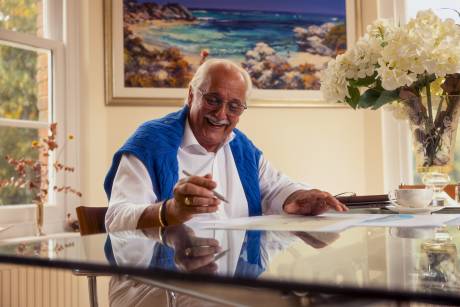
“It starts with listening,” says Yoann. “We capture the owner’s vision, whether that is redesigning interiors, adding a pool, changing structure or design, upgrading propulsion, or improving sustainability.”
From there, Y.CO leads a detailed feasibility study. This includes technical assessments, realistic budget forecasting, and timeline planning. The goal is clarity before commitment.
A refit only succeeds when scope, cost, and ambition are aligned. Without that groundwork, projects risk overruns, delays, and compromise.
Shipyard selection and owner advocacy
Once the scope is defined, the next decision is where and with whom the work will be done. This is where experience matters.
“We select the right shipyard and partners, leveraging our global network,” Yoann explains. “Throughout the project, Y.CO acts as the owner’s advocate.”
That advocacy covers engineering reviews, procurement, quality control, and regulatory compliance. It also means managing complexity on the owner’s behalf, translating technical decisions into clear choices, and protecting priorities when pressure builds.
Then comes the big moment, redelivery.
“Redelivery day is about ensuring everything works flawlessly,” Yoann says, “and that the crew is fully briefed.”


What modern refits really involve
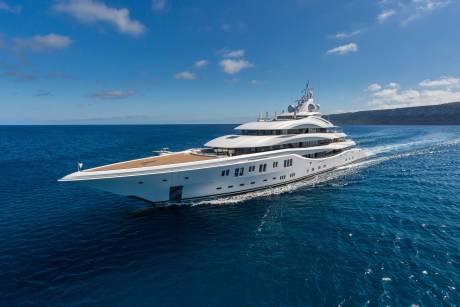
Recent Y.CO refit projects show how far modern refits can go.
On a 50-metre Feadship, Y.CO managed the addition of a custom swim platform on a yacht more than 20 years old. The challenge was not just adding space, but preserving structural integrity and aesthetics, while improving water access and crew storage.
On a 70-plus metre motor yacht, the team designed and installed a pool. This required major engineering work, including weight distribution analysis and system upgrades. The result transformed the onboard lifestyle and demonstrated what is possible when creative vision meets technical precision.
Thinking big
Looking further ahead, Y.CO is currently managing its largest refit to date. A 10-year refit of a large sailing yacht built by Oceanco, with a scope spanning full paint, teak renewal, interior works, rigging upgrades, and a complete engine room conversion. This includes particle filters, new generators, and a new battery bank.
“The challenges are space, weight, and stability,” Yoann explains. “The timeline spans over three years, including more than a year of pre-planning and approximately 18 months of execution.”
This is refit as reinvention.


Sustainability, wellness, and future readiness
Owner priorities are shifting, and refits are reflecting that change.
“Sustainability is now a core focus,” says Yoann. “Owners are increasingly interested in hybrid propulsion, energy recovery systems, and eco-friendly materials.”
Wellness is also moving up the agenda. Requests now extend beyond gyms and spas to include air and water purification systems, better acoustics, and healthier onboard environments.
Technology plays a parallel role. Smart energy management systems and improved connectivity are no longer optional extras. They are expectations.
“Today’s yachts must be luxurious, responsible, and future-ready,” Yoann says.
With Limitless Potential
Refit Holds a Story
A yacht refit is a great way to make your mark. Explore unlimited possibilities. Revive older vessels, rich with history. Retain the heritage and charm but reimagine a yachts potential through contemporary design and innovative technology.
Your Yacht Reimagined
We’ve seen some amazing refits in the Y.CO fleet that demonstrates the agility and potential they can offer. Refits are becoming increasingly popular; they are faster than new builds and offer a cost-effective way to personalise your yacht in a more sustainable manner. Express your creativity, and rather than commissioning from scratch, instead enjoy reimagining classic yachts that hold a story and place within yachting’s revered history. Below are some of our favourite refit transformations in recent years.

Spirit
From City Chic to Beach House
Spirit is a 54m superyacht delivered by Amels in 2011. She underwent an incredible refit that transformed the yacht interior, bringing her firmly into the 21st century and offering a laid-back beach house feel with an interior reminiscent of the ocean.
Dôme Projects Interiors took the lead on the interior refit, reimagining her aesthetic in line with the owner’s vision. Featuring an enchanting display of coral, sea-blue soft furnishings, and warm lighting – she is now light, spacious, and open. Initially intended as just a soft furnishings update, the project quickly evolved into a full interior redesign, and she was stripped back to the bare walls. This allowed full creative freedom to envisage a new lease of life to Spirit. Her exterior refit saw a full repaint, executed by Monaco Marine La Ciotat who specialise in refit, repairs and maintenance.
Aside from the repaint, very little engineering or exterior work needed to be done – a testament to the timeless and expert craftsmanship present from such a renowned shipyard.
Adventure
Innovative Upgrades
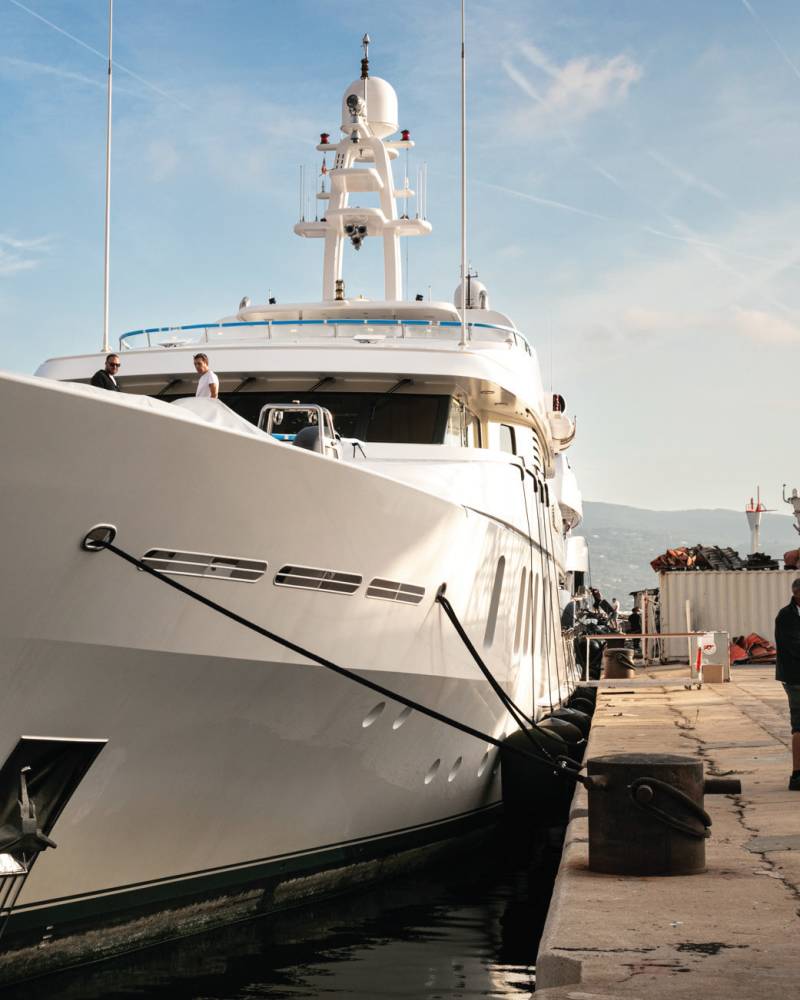
Adventure, previously named Hanikon, is a 52m motor yacht delivered in 2004 by Netherlands shipyard, Feadship. Her refit was project managed by Y.CO and commenced in 2023 at Monaco Marine La Ciotat. Adventure’s remodelling is of a different nature to Spirit, with this project primarily focusing on exterior upgrades. The innovative refit saw her undergo a full repaint and swim platform extension, bringing guests closer to the ocean and with easier access for swimming, diving and sunbathing. Her length increased from 49.2m to 52.69m and the upgrade work simultaneously addressed corrosion, wear, and weathering that yachts typically fall subject to over time.
The success of this refit came down to identifying the engineering needs of the yacht, subsequently informed by Y.CO and ongoing communication with Adventure’s experienced and dedicated crew. Updates in functionality and essential maintenance were achieved, rejuvenating her charter capabilities and placing her back in the water within 8 months – all in the name of adventure.


CALYPSO
Transformation Awaits
Currently for sale is 61.5m superyacht Calypso, built by Amels shipyard in 2003. Calypso is yachting’s megalith – with an impressive volume of 1150GT, the thoughtful use of space, height, and light are key attributes that make this superyacht so special. She redefines the parameters of spacious cabins, with an owner’s suite that features a huge mezzanine and a skylight. This is the perfect opportunity to purchase a paragon of yachting, and with a touch of creativity, this iconic yacht can be completely transformed and you can make your mark. Design firm Dolker & Vogues have produced a render demonstrating the small changes that can make a big impact. Contact Ben Ritchie to find out more.
The Y.CO perspective
For Yoann and his team, refits sit at the intersection of engineering and imagination.
“We have the privilege of managing refits for some of the world’s most iconic yachts,” he says. “It feels like being part of the backstage crew for floating masterpieces.”
What excites him most is where the industry is heading.
“Being part of the shift toward smarter, cleaner, and more capable vessels,” Yoann says. “It is not just about luxury anymore. It is about purpose and progress.”
That belief underpins Y.CO’s approach to every refit. Strategic, owner-led, and designed to ensure that when a yacht returns to the water, it is fully updated and ready for what comes next.

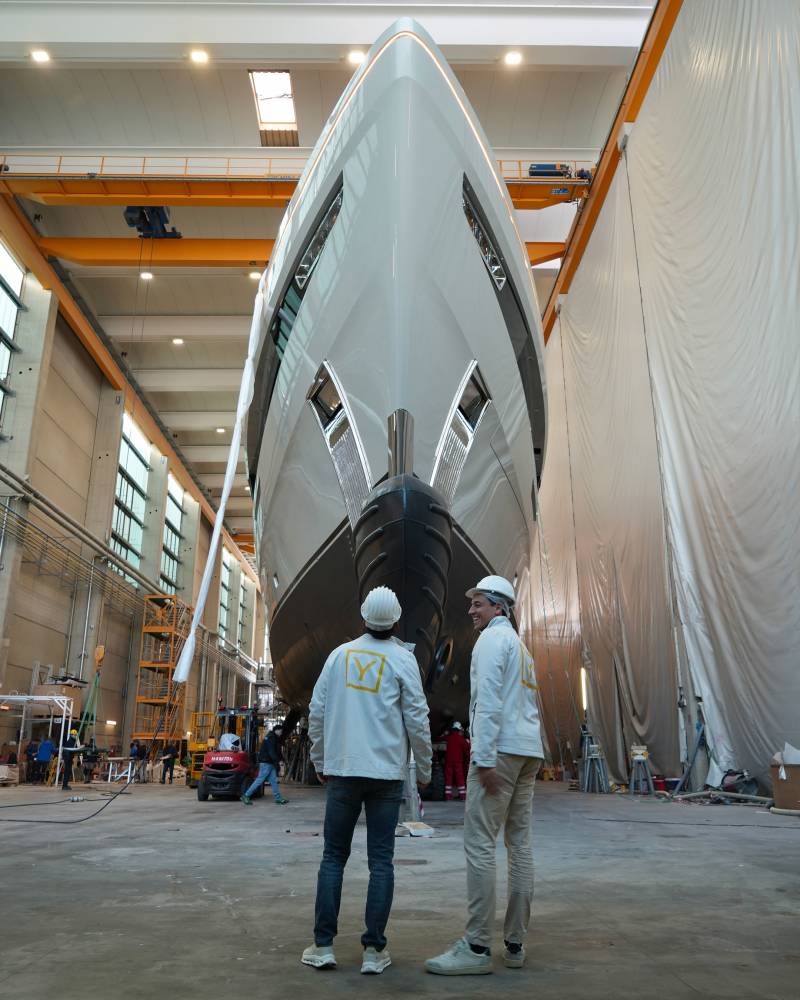
When is it time to refit?
Owners often ask whether a refit is necessary or whether it can wait. According to Yoann, the signs are usually clear.
Regulatory changes may force upgrades. Rising maintenance costs can signal inefficiency. Lifestyle changes can mean the yacht no longer fits how it is used. Charter yachts may lose competitiveness if they fall behind market expectations.
There is also a practical reality shaping decisions.
“With the limited availability of new-build slots,” Yoann notes, “more owners are turning to existing vessels and considering refit as a practical alternative.”
In many cases, a refit delivers results faster and more cost-effectively than waiting years for a new build.
“A refit is an investment in enjoyment and value,” he says. “If the yacht feels like it is falling behind, it is time to start the conversation.”