Key Considerations

How to Choose Your Flag State

Every yacht operates under a flag state. It’s the country where the vessel is registered, and it defines the legal, regulatory and operational framework on board. From how the yacht can be used, to how crew are employed, to which safety standards apply, the flag sits behind every decision. It’s one of the earliest choices in the ownership journey, and one of the most influential. So, what should you consider when selecting one? It’s a question our team here at Y.CO is happy to help demystify.

What a Flag State Means in Practice

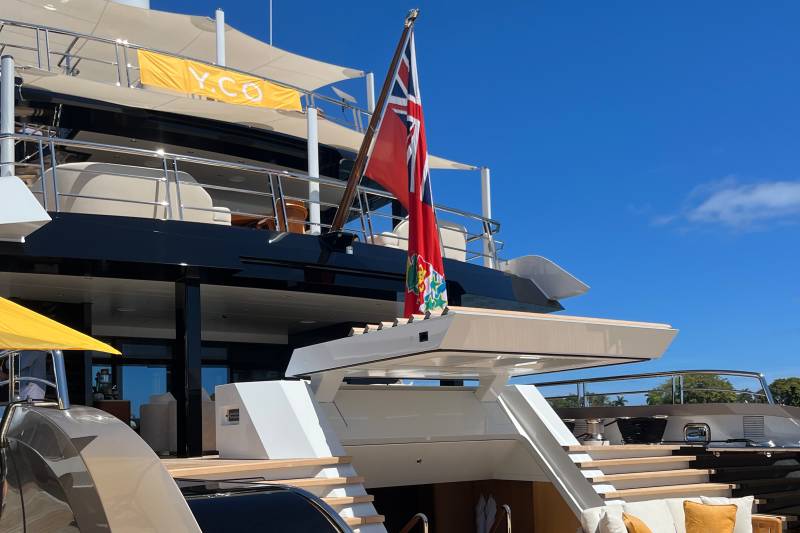
A flag state is more than a name on the stern. It’s the jurisdiction your yacht operates under. Step on board a Cayman Islands-flagged vessel, and you are effectively stepping into that legal framework, regardless of where the yacht is physically located.

That framework defines:
  • The regulatory standards the yacht must meet
  • Whether it can operate privately, commercially, or both
  • The rules governing crew employment and immigration
  • The baseline for safety and environmental compliance

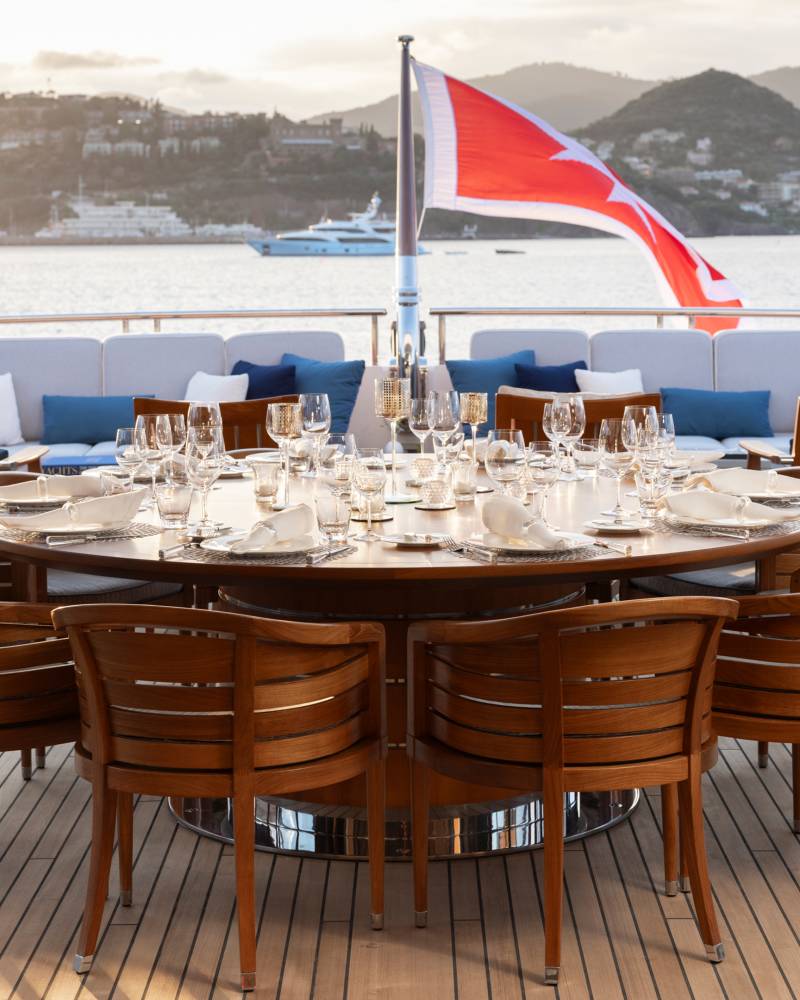
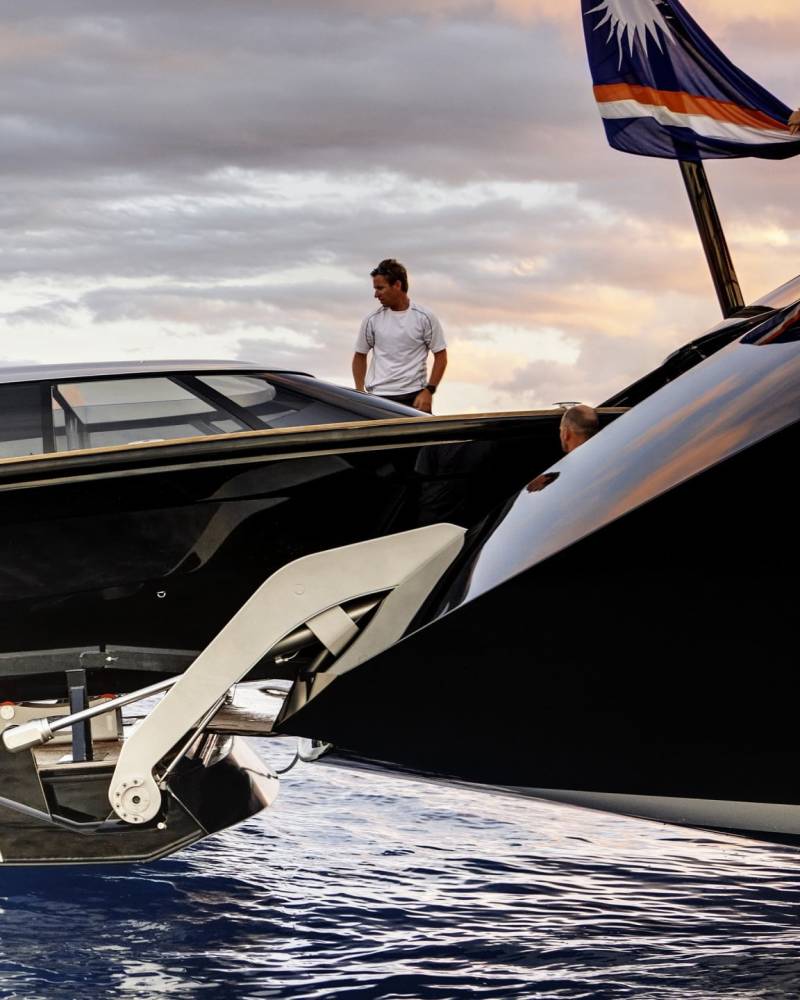
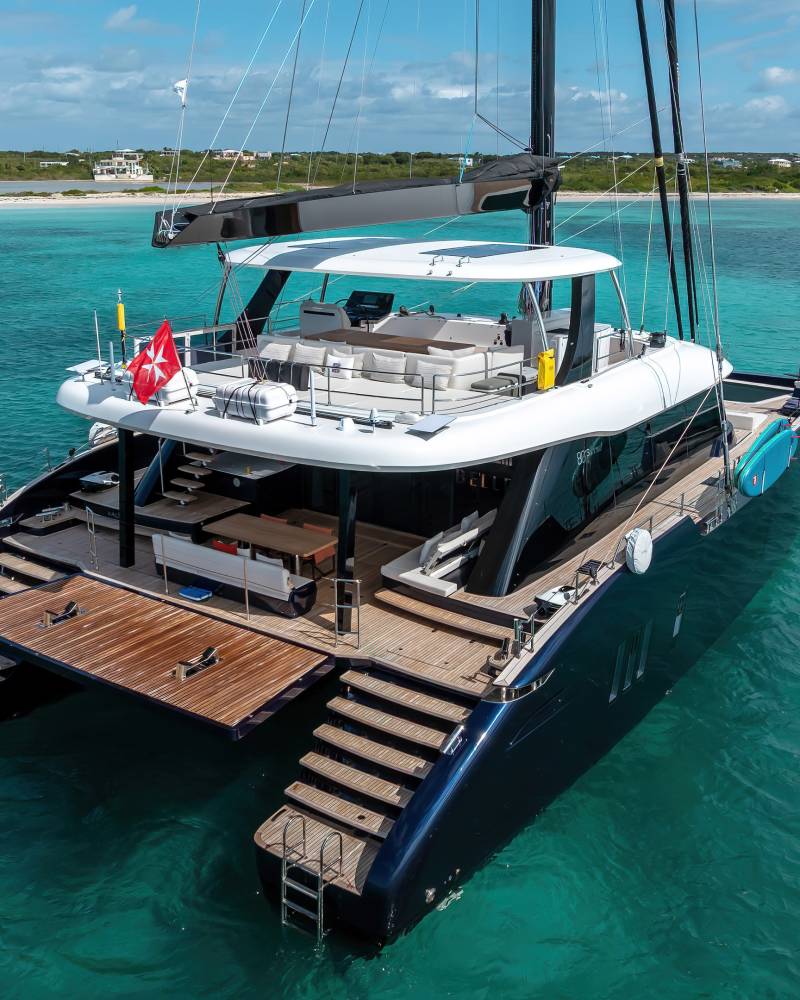
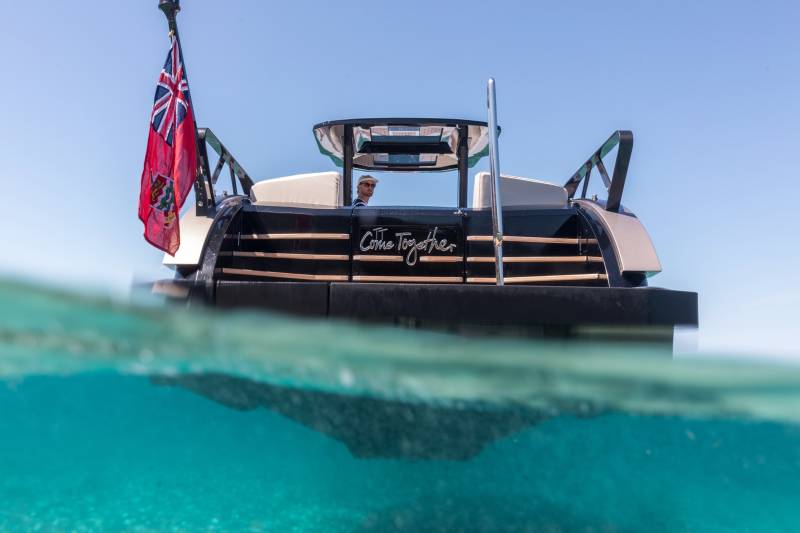
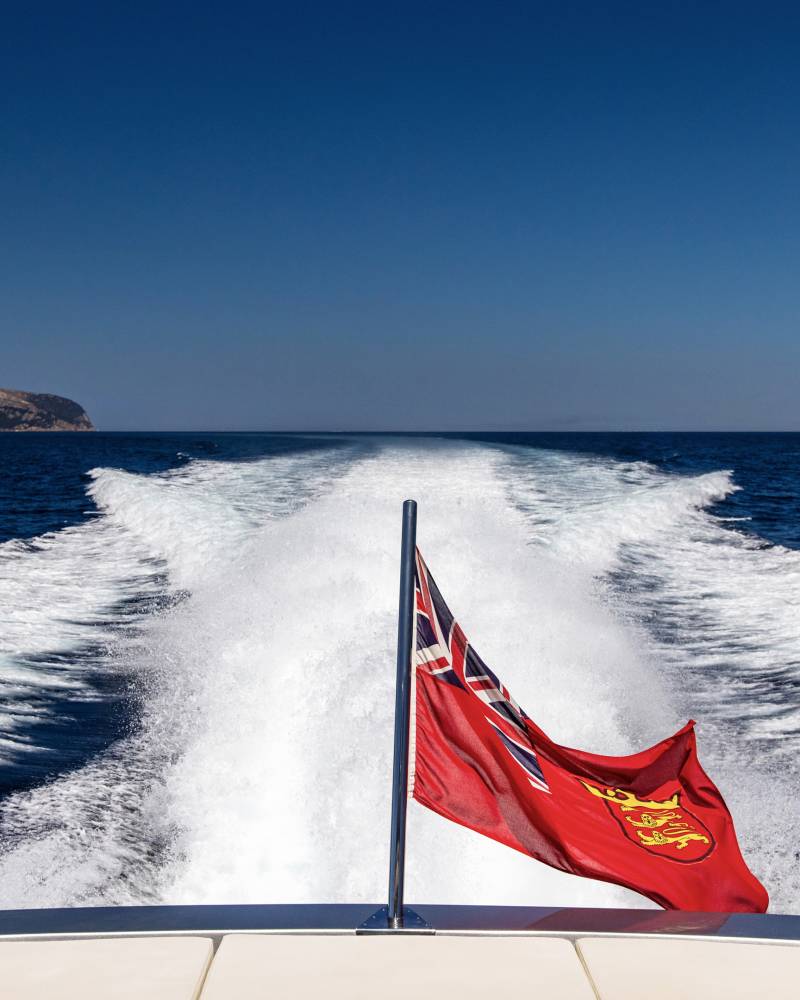
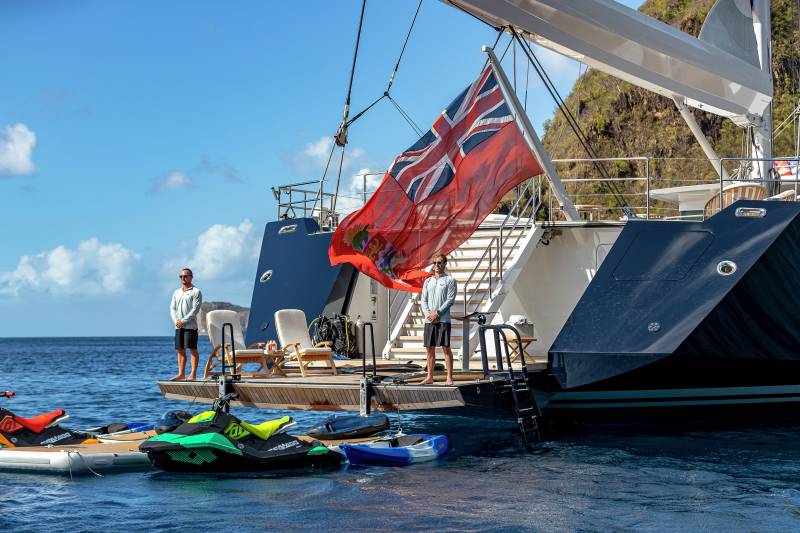
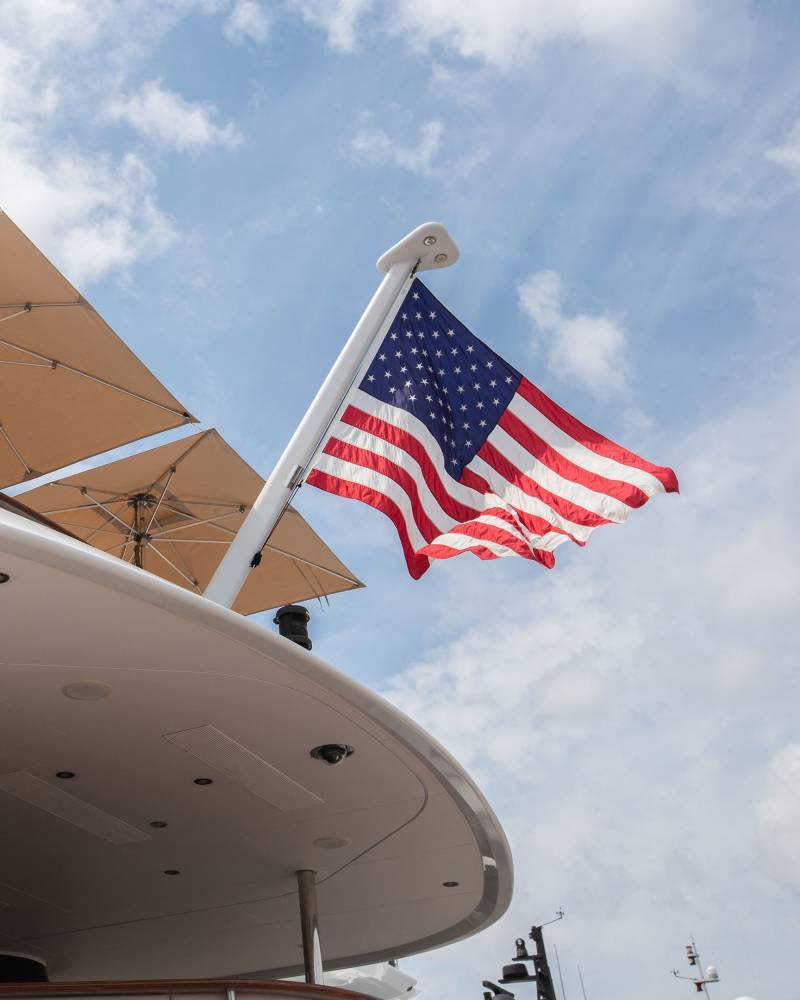
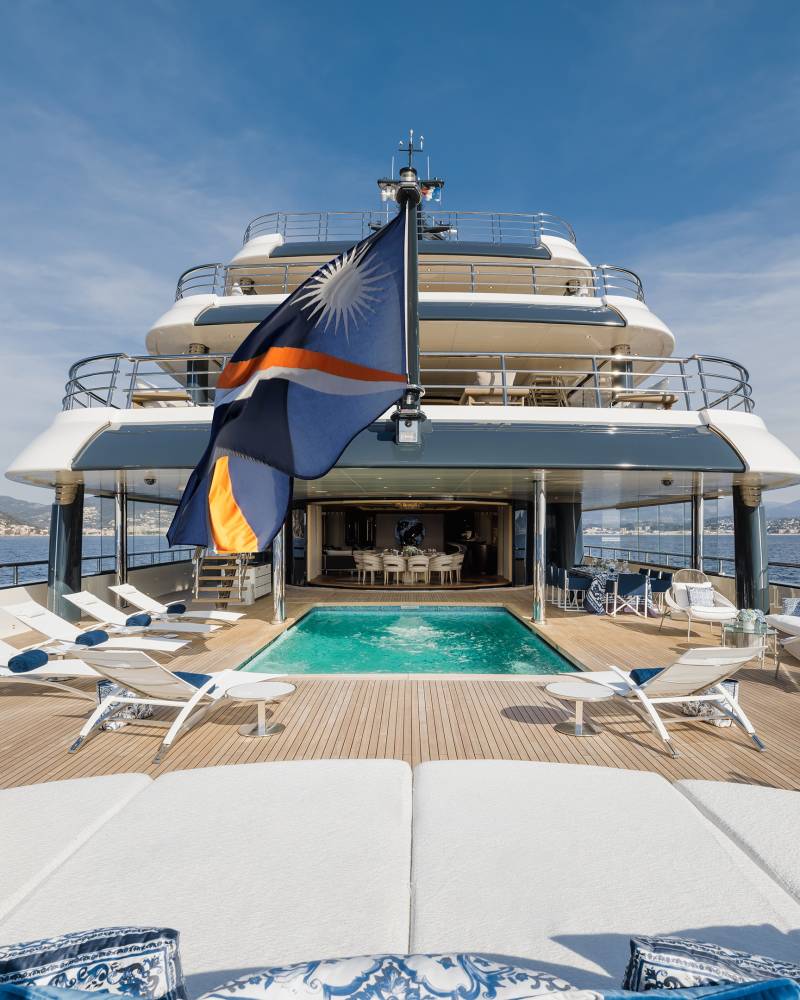
Most yachts operate under established “white-listed” registries such as the Cayman Islands, Marshall Islands, Malta, Isle of Man and the UK Red Ensign group. They all align with international conventions, including SOLAS and MARPOL. The difference lies in how those standards are interpreted and applied.
Define How the Yacht Will Be Used

Start with intended use. This shapes almost every other decision.

Private use is the simplest route.
Commercial charter introduces additional compliance.
Hybrid models allow a mix of both, with certain limitations.

Many modern yachts are built to meet minimum commercial standards as a baseline. This keeps future options open and supports resale value.

Some flag states offer more flexibility for mixed use. The Cayman Islands and Marshall Islands allow private yachts to undertake limited charter under the Yacht Engaged in Trade (YET) scheme.

This can bring VAT and operational advantages. It also comes with restrictions around where, when and how charters take place.

The key is alignment. The flag should support how you plan to use the yacht now, and how that might evolve.

Ownership Structure Drives the Decision

Flag selection is closely linked to how the yacht is owned.

Certain registries require owning entities to be established in approved jurisdictions. Others apply restrictions based on how the yacht is registered, privately or commercially.

The owner’s tax residency and cruising plans also play a role, particularly when operating in EU or US waters.

It’s important to point out that while our team at Y.CO focuses on operational and compliance considerations; legal structure, tax and VAT sit with maritime lawyers and corporate service providers. We can of course recommend and introduce clients to legal specialists that we know, have worked closely with and recommend highly.

These elements do need to work together. A well-aligned structure supports both efficient operation and long-term flexibility.

Age of the Yacht and Regulatory Flexibility

The age of the yacht can influence which flag is most suitable.

Regulations evolve over time. Newer yachts are built to meet current standards. Older yachts may not fully align with today’s requirements.

Some flag states allow exemptions or equivalencies where compliance is not technically possible due to the vessel’s age. Others take a stricter approach.

This can affect refit scope, cost and operational planning. It’s an important consideration when acquiring or managing older vessels.

Understanding Compliance Across Flag States

All reputable flag states follow the same international conventions. This creates consistency across safety, environmental and operational standards.

Differences come down to interpretation and enforcement.

Each administration applies the rules in its own way. That can influence survey processes, documentation requirements and day-to-day compliance.

It’s also important to understand what these regulations represent.

They are the minimum standard. They confirm the yacht is compliant and safe to operate.

Everything beyond that is driven by how the yacht is managed, operated and maintained.

Crew Employment and Operational Impact

Flag choice directly affects crew employment.

Contracts, labour laws and working conditions are governed by the flag state. This shapes how crew are hired, managed and retained.

It also impacts immigration status. Crew working on a flagged vessel operate under that jurisdiction, even when the yacht is in another country.

Different flags carry different reputations within the industry. Some are seen as more flexible. Others are more structured.

This can influence crew preference and long-term retention.

When to Select a Flag State

Timing depends on whether the yacht is new or existing.

For existing yachts, the current flag is often retained to avoid unnecessary change.

For new builds, the process is more flexible. Yachts are typically constructed to meet Red Ensign Yacht Code standards, allowing a flag to be selected later in the build.

In most cases, the decision is made within the final 12 months before delivery, though it can be adjusted if circumstances change.

How Y.CO Supports the Process

The process starts with understanding the owner’s priorities.

Intended use, cruising plans, ownership structure and operational preferences all inform the decision.

Y.CO then benchmarks these against similar yachts across the fleet. This provides practical insight into what works in real-world operation.

The outcome is usually a shortlist of suitable flag states, rather than a single recommendation.

From there, maritime lawyers and corporate service providers advise on legal structure, tax and jurisdiction.

A Practical Perspective

Selecting a flag state is a structured process when approached correctly.

It should reflect how you plan to use the yacht, where you plan to operate, and how you want it managed.

The right choice supports flexibility, compliance and long-term value. It works in the background, allowing the yacht to operate smoothly. If you have more questions on the topic, feel free to reach out to us.

*This article is intended to support consideration only. Y.CO does not provide legal or tax advice. For guidance on ownership structures, VAT or jurisdictional matters, we recommend consulting qualified maritime legal counsel.*

Moodboards