Ashore, But Never Off Duty
Most people outside yachting have never heard of a DPA.
Those inside it know a DPA is usually the first number a captain calls when something goes sideways at three in the morning.
My full title is Designated Person Ashore and Company Security Officer, which is a mouthful for a role that, stripped back, comes down to one thing: I'm the bridge between the yachts we manage and everything that happens on land to keep them running safely and within the rules.
"No two weeks look the same. But there's a rhythm to the work, and if you looked over my shoulder across five days, you'd likely see a pattern form."
– Y.CO DPA/CSO Anisia Marin
Where the week begins
A Monday might start wide open.
Certificates expiring across the fleet, audits on the horizon, surveys being scheduled, crew changes coming up, flag states with questions.
There's triage to do before strategic planning. I get a feel for where the pressure is that week and plan accordingly.
Our fleet spans time zones, so by my second coffee in Europe, someone in the Pacific is finishing their day and filing the report that shapes my next few hours.

The View From Both Sides
Before I came ashore, I spent years on board as Chief Officer on some of the industry's most prominent yachts.
That experience is the entire reason I'm useful at this desk. When a captain calls to say a system's failed two days before guests embark, I've been in similar situations.
I know what they need from me, and I know what they absolutely don't need, which is a shore team quoting procedure at them while the problem gets worse.
The best shore support I ever had at sea was from people who'd stood in my shoes. That's the benchmark, and that's the standard I hold myself to.
The Art of the Right Call
Mid-week is where judgement earns its keep. A defect lands on my desk. On paper, it's a binary question: is the yacht still compliant, or isn't she?
In practice, there are five variables and three of them involve human factors. What's the operational impact? What's the regulatory exposure? What can be done now, what can wait for the next port, what can wait for the next yard period?
Procedures give you the framework. But they don't make the decisions.
That's where real risk management separates from tick-box compliance, and it's the part of the job that experience sharpens most.

When the Details Matter Most
A significant share of the week is spent on crew: certifications, training, welfare, documentation.
The often-unglamorous scaffolding that keeps an onboard team safe and legal. When it's strong, the crew barely notice it. When it's weak, everything on board gets harder.
A chief engineer whose paperwork is stalled at a port authority, a stewardess whose visa is about to lapse, a captain who needs a flag state interpretation the same day a guest embarks: these are the small things that, left unattended, become big problems.
Our job is to make sure they rarely reach that point, and that when a crew member picks up the phone, they get a timely, useful response.
That's What We're Here For
For owners, our work may stay mostly invisible, and that's the point. What Y.CO's yacht management offering really delivers, once you look past the processes, is assurance.
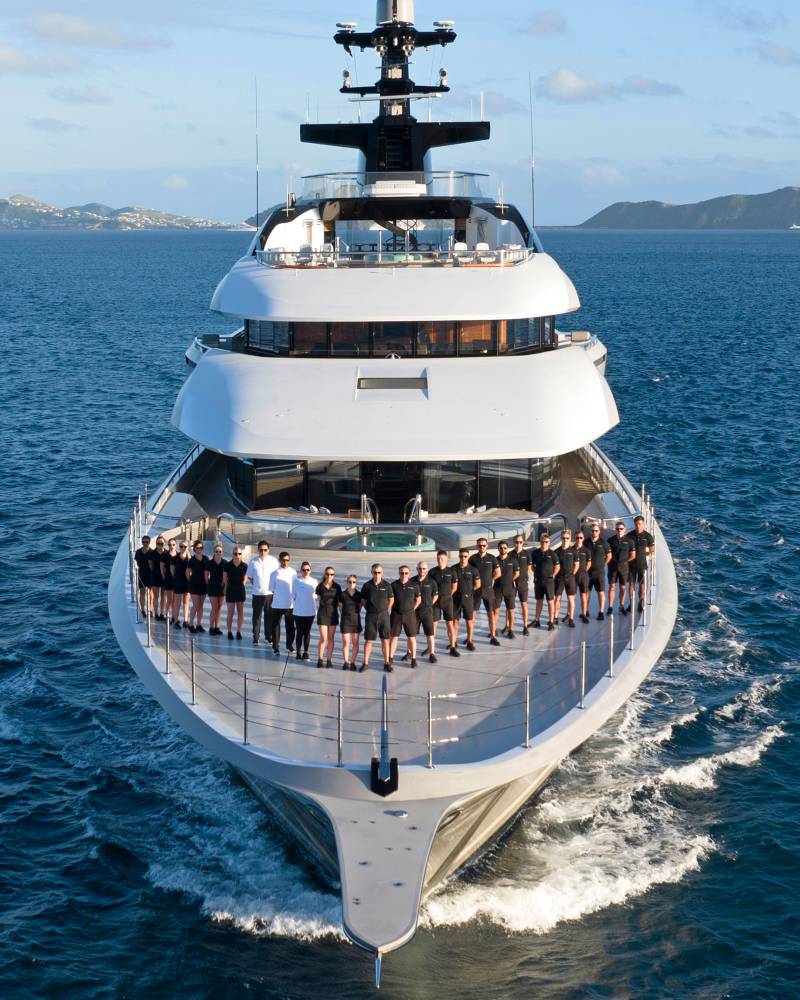
The yacht stays compliant, the crew are looked after, audits are passed, and defects get tracked and resolved before they become incidents. Behind me is a global team, with colleagues in London, Monaco, Auckland and Fort Lauderdale.
When I need a second opinion on a grey-area compliance question or a technical view on a defect, there's always someone either nearby or in a different time zone with the right answer.
Owners don't come into yachting to manage compliance deadlines. They come into it to enjoy the yacht. Our job, collectively, is to let them do exactly that.