Length
Guests
Cabins
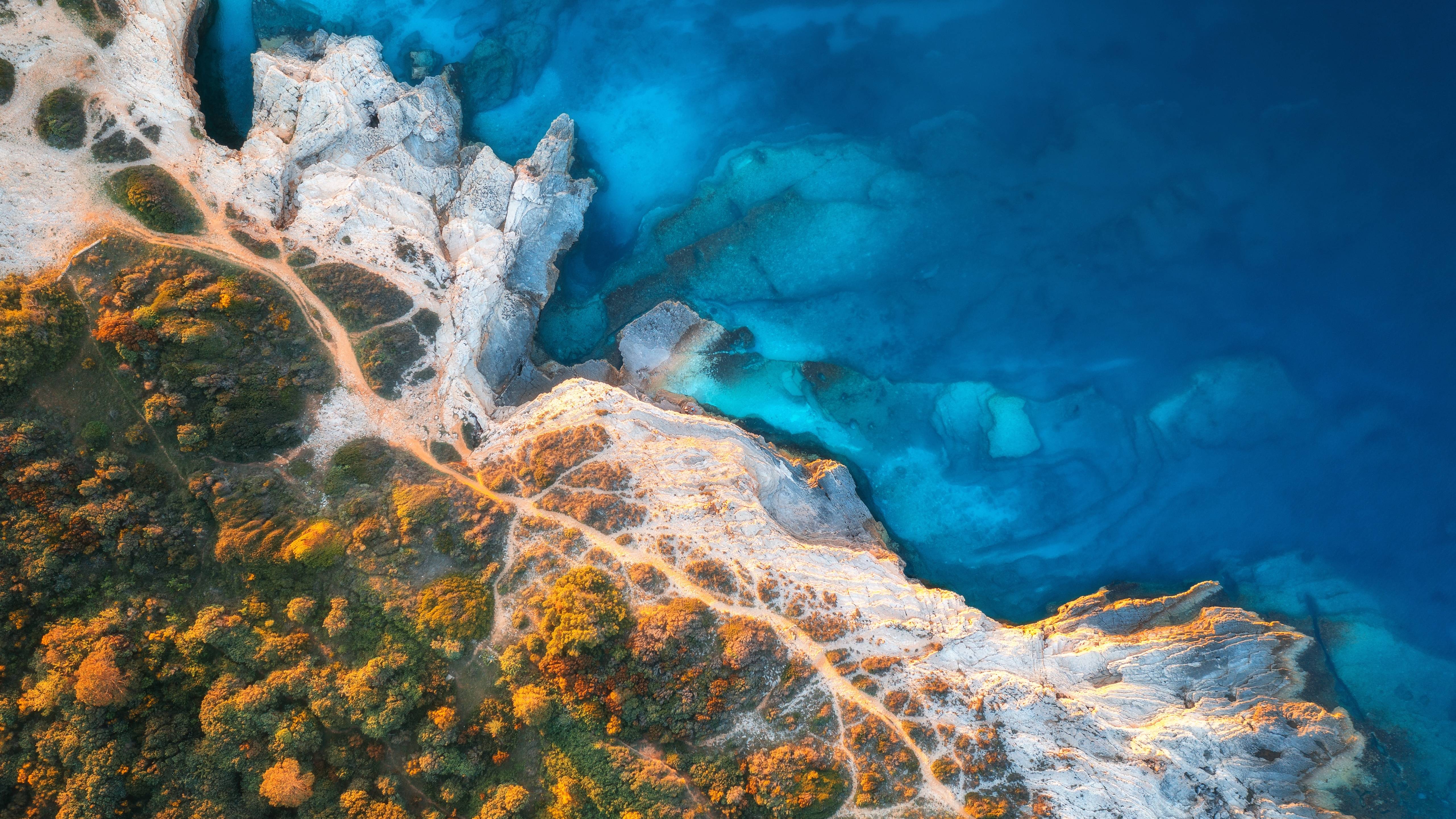
Dubrovnik to Split. Charter the idyllic coastline of Croatia and the surrounding islands. Red-roofed towns. Green pine forests. Mountains and canyons. National parks. Secluded coves and deep blue lakes.
Day 01
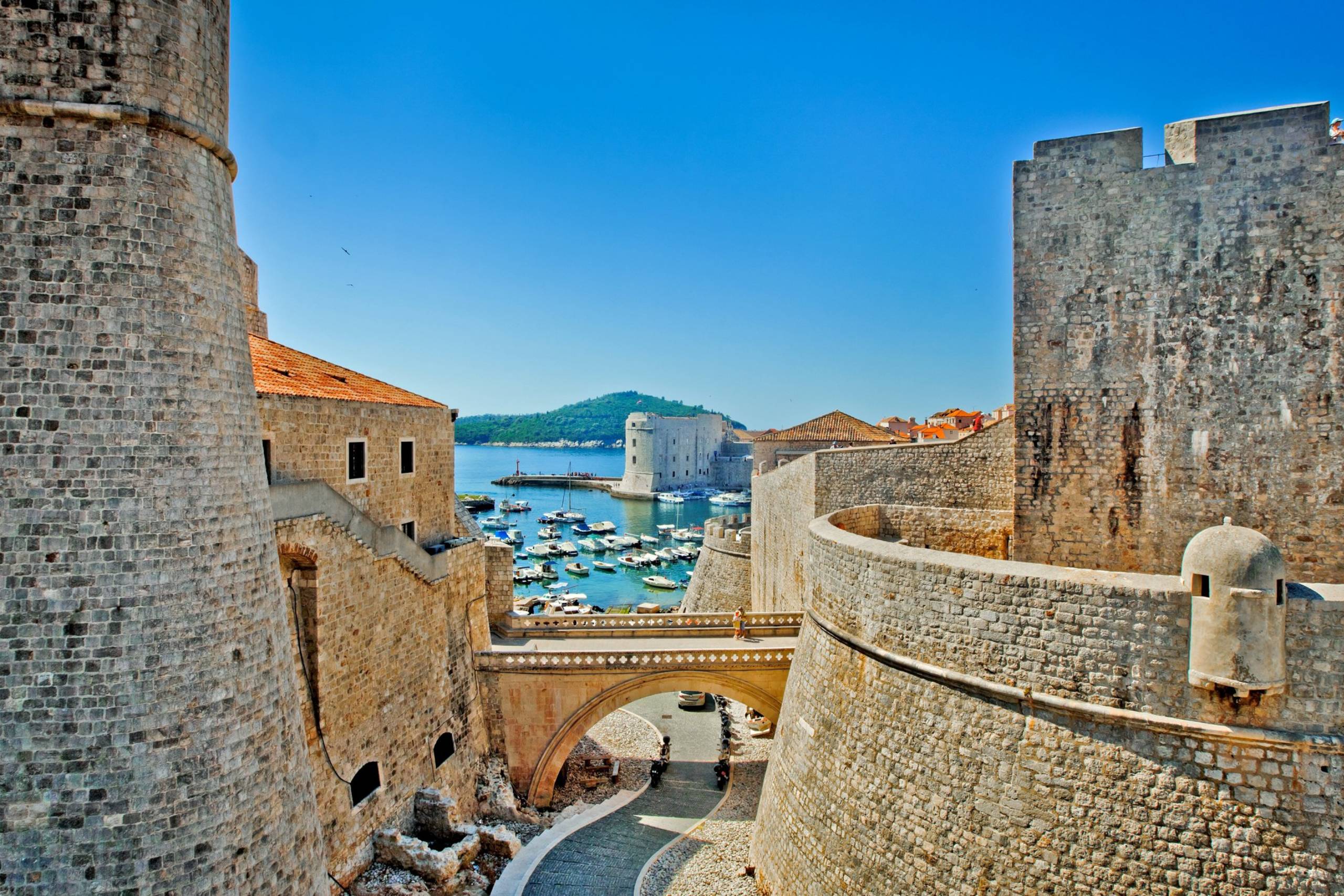
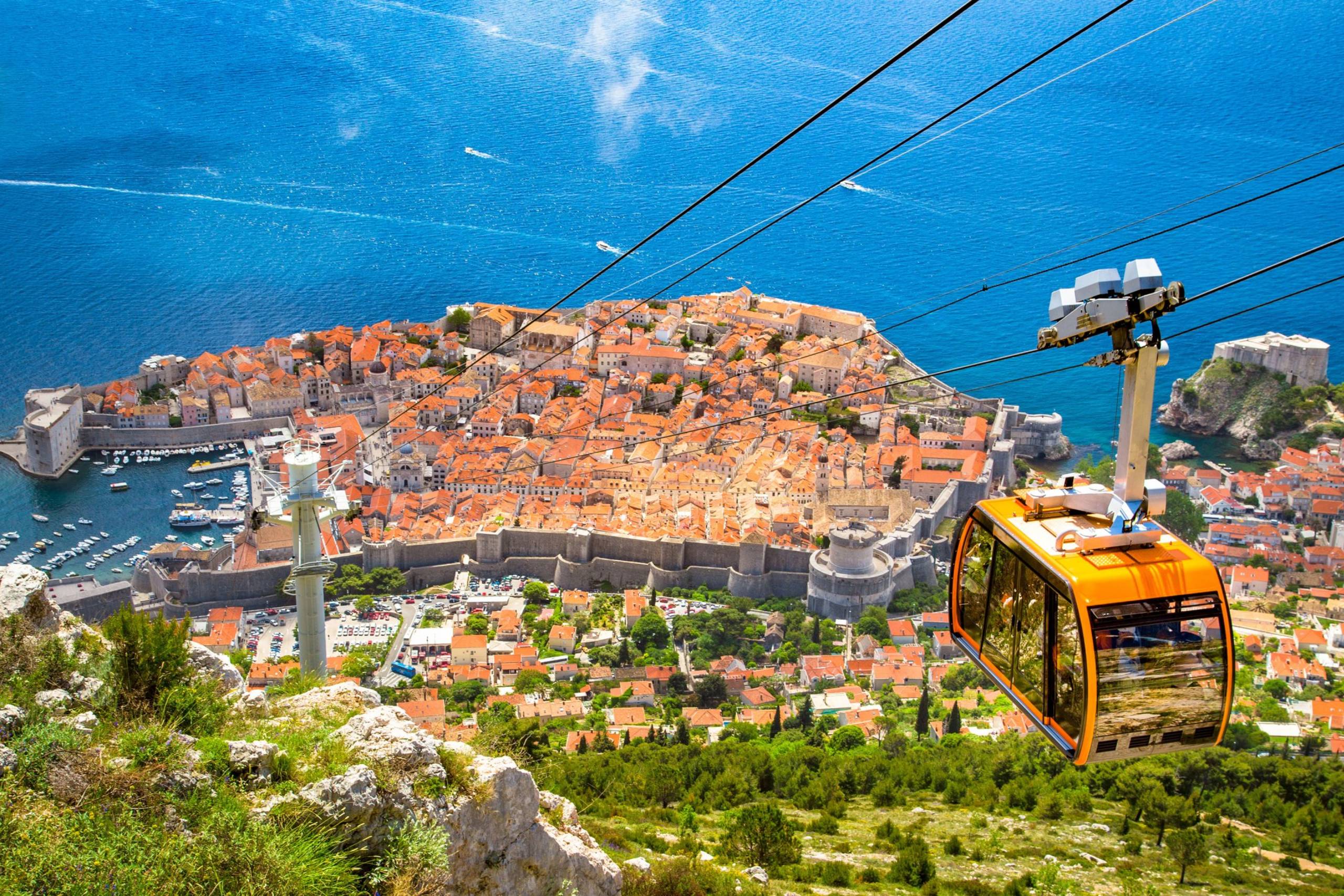
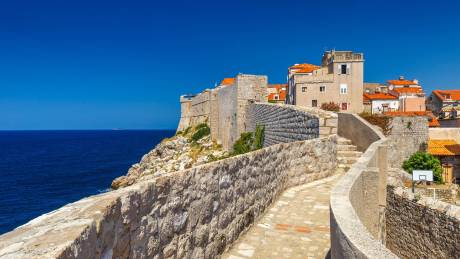
A UNESCO World Heritage Site, this Dalmatian port is one of the world’s most visually arresting cities. Its Old Town is ringed by stone walls, turrets and towers; a Disney-esque redoubt. Within Dubrovnik’s Old Town, Stradun Street bisects a warren of marble lanes. Opposite Dubrovnik lies the uninhabited island of Lokrum. It tempts with a botanical garden, an 11th-century Benedictine monastery and the odd Caribbean-like cove.

Day 02
Mljet is an evergreen dream. Imagine an impossible wiggle of forests protecting a chain of lake-like bays. Tiny islets lie scattered in the shallows. One houses a monastery, others have remained uninhabited since time began. Best of all, Mljet basks in its very own bath of Adriatic blue. Sail west and it’s next stop Italy.
Around half of this pristine splendour is encased within a National Park. The entrance gate smacks of a secret garden. Tiptoe through a ruined Roman fort into an enchanted forest where deer, mongoose and rare eagle owls roam free. Unlike most Croatian islands, Mljet is simply massive. Just 1,000 people reside on 100km2 of emerald green land.
Day 03
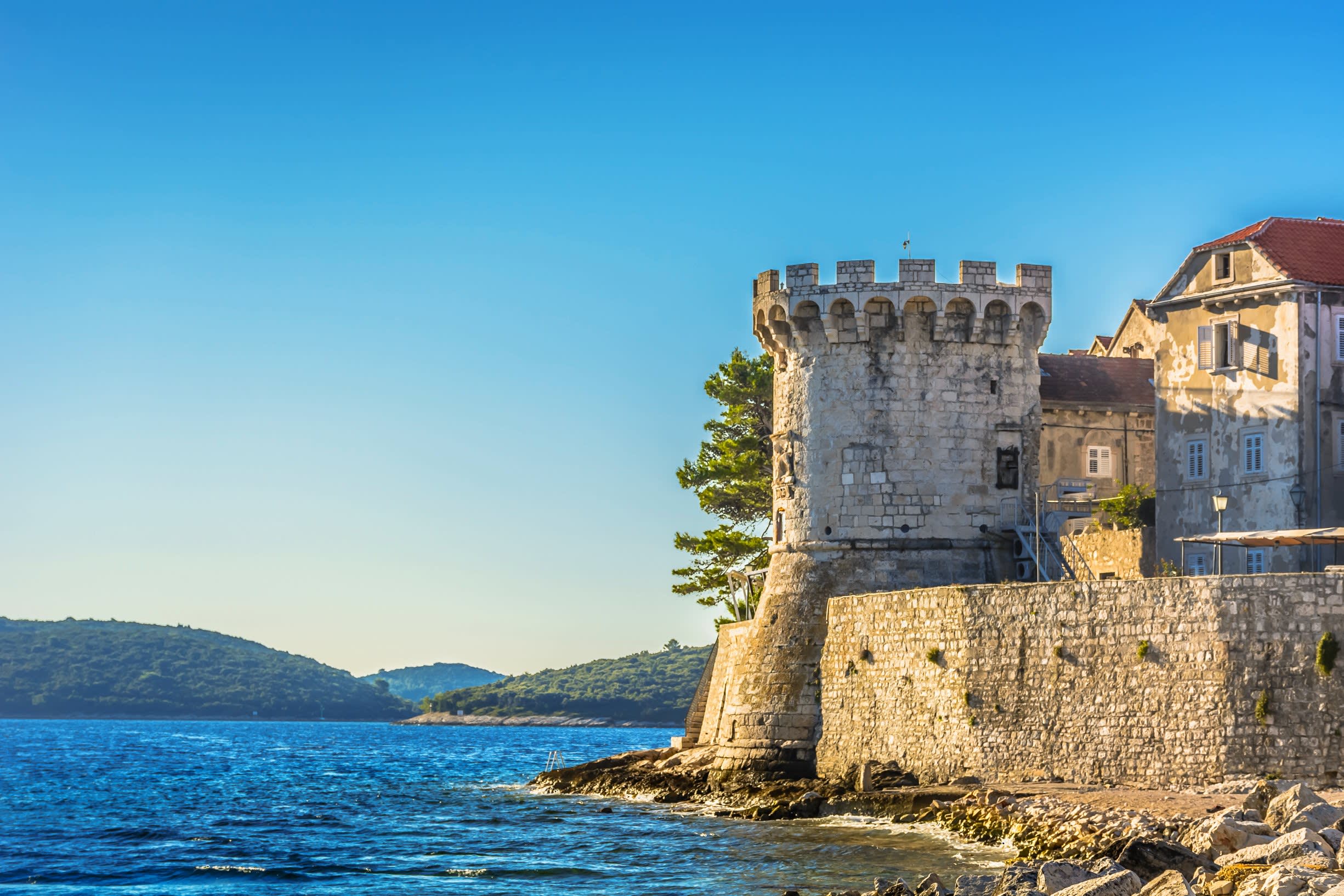
Marco Polo, the globe’s most famous navigator, came from Korčula. Each year, dedicated travellers make their own pilgrimage to this verdant Adriatic isle, hunting down Polo’s place of birth. Marco would still recognise his medieval home in Korčula’s enchanting Old Town.
Korčula shelters some sublime strips of sand; most are clustered around the cape of Lumbarda, and are a breeze to access by sea. Equally blissful are the beaches on Badija, an island gem due north of Korčula's old town, populated only by Franciscan monks. Proizd, an isolated islet off Korčula’s northwest coastline, is a geological wonder of white stone beaches and Thailand-turquoise bays.
Day 04
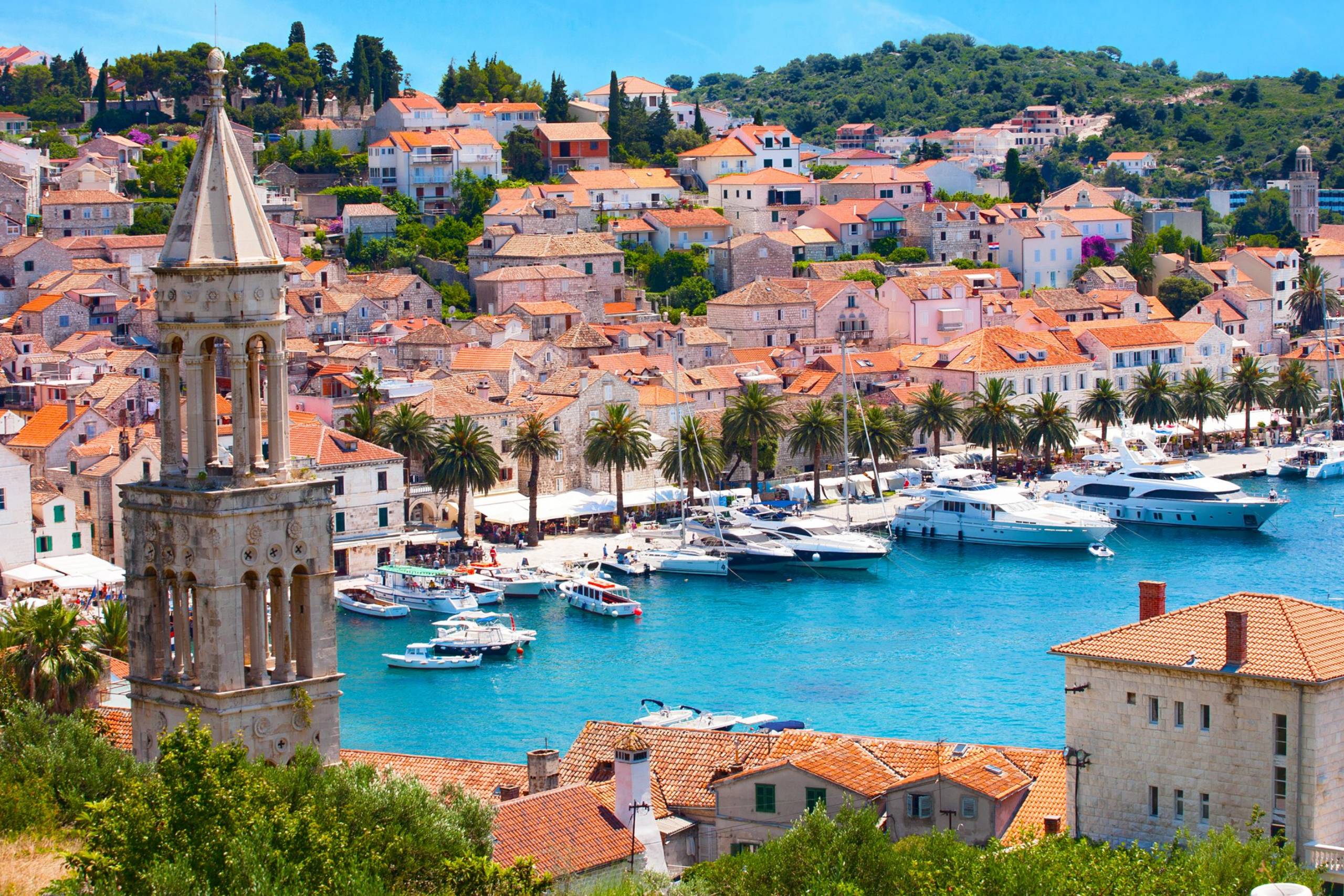
Hvar is a sun-splashed rollercoaster of history and hedonism. Its combination of culture and cocktails renders it Croatia’s answer to both Antibes and St Tropez. With 2,800 hours of sunshine a year, it’s the country’s sunniest, and chicest, spot. It's also part of an informal club of the world's finest islands, which includes Bora Bora, Bali and Capri.
Days commence with caffè macchiatos in St Stephen’s Square. The setting is impossibly grand, as Venice turned Hvar into a marble-lined masterpiece of medieval finery. Those visitors in search of superyacht seclusion may hit the nearby island of Šcedro. It boasts over 20 tiny bays… and a population of just 1.
Day 05
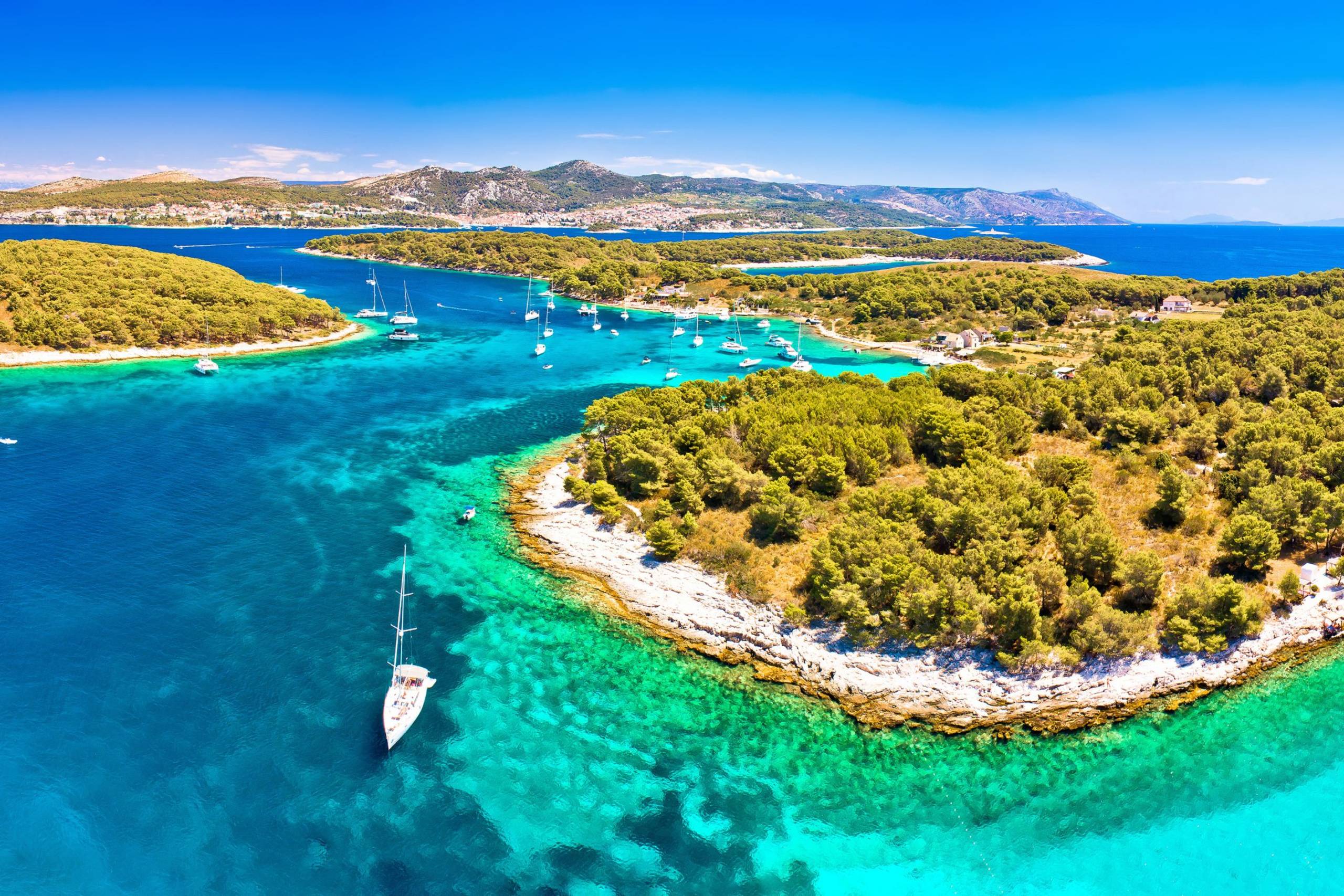
The Pakleni Islands is a wonderful chain of wooded isles which names derives from 'paklina', a pine resin that was once harvested here to waterproof boats. Just a short sail from Hvar, anchor in a quiet bay and discover these crystal-clear waters, hidden beaches and deserted lagoons.
Day 06
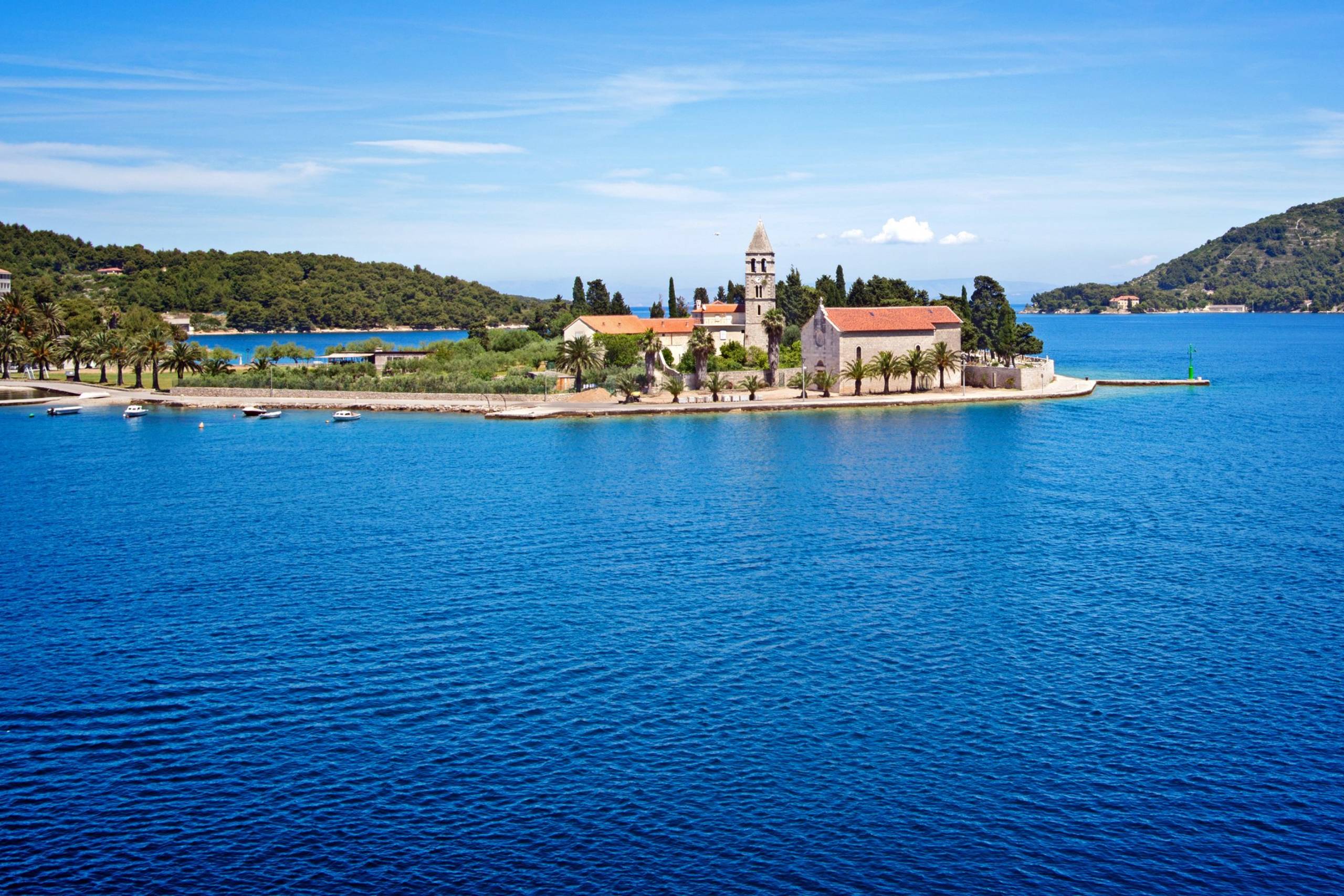
Halfway between Croatia and Italy, Vis is a heavenly cradle of culture, seafood and fabulous wine. A single daily ferry runs this far out into the Adriatic, so only visitors with their own yachts frequent these crystal clear waters. Vis’s restaurants are gourmet sensations. Val serves scorpion fish and local lobster under a lemon grove. More isolated still is the island of Biševo. It hosts only 11 residents, a handful of vineyards and one very cool cave. Take the tender to the Blue Cave around lunchtime and dive right in. Rays of sun, ethereal shadows and a white coral seabed combine in a surreal lightshow.
Day 07
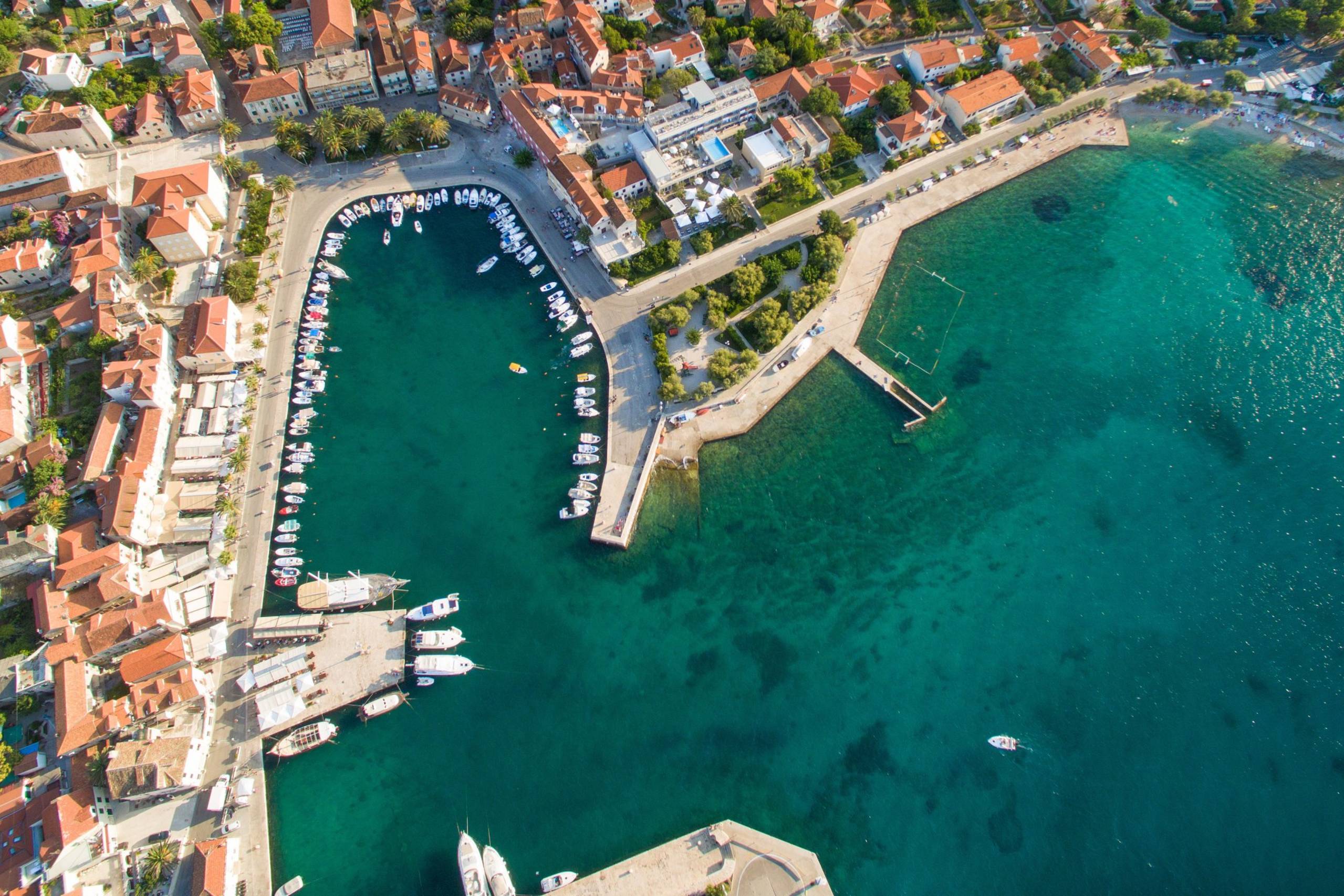
The largest of Dalmatia’s islands, Brač is best known for Zlatni Rat, its glorious ‘Golden Cape’. Croatia’s most famous beach is a triangular 500m peninsula that juts out from the pine-clad coast. Its white pebble shore forms a striking contrast with the translucent turquoise waves.
What beats the beach is the postcard-perfect panorama from above. At 780 metres, Brač’s Vidova Gora peak is the highest in the Adriatic, offering vistas over Zlatni Rat as well as the nearby island of Hvar. The descent on foot is equally alluring, where olive groves and rippling vineyards tumble back down the sea.
Day 08
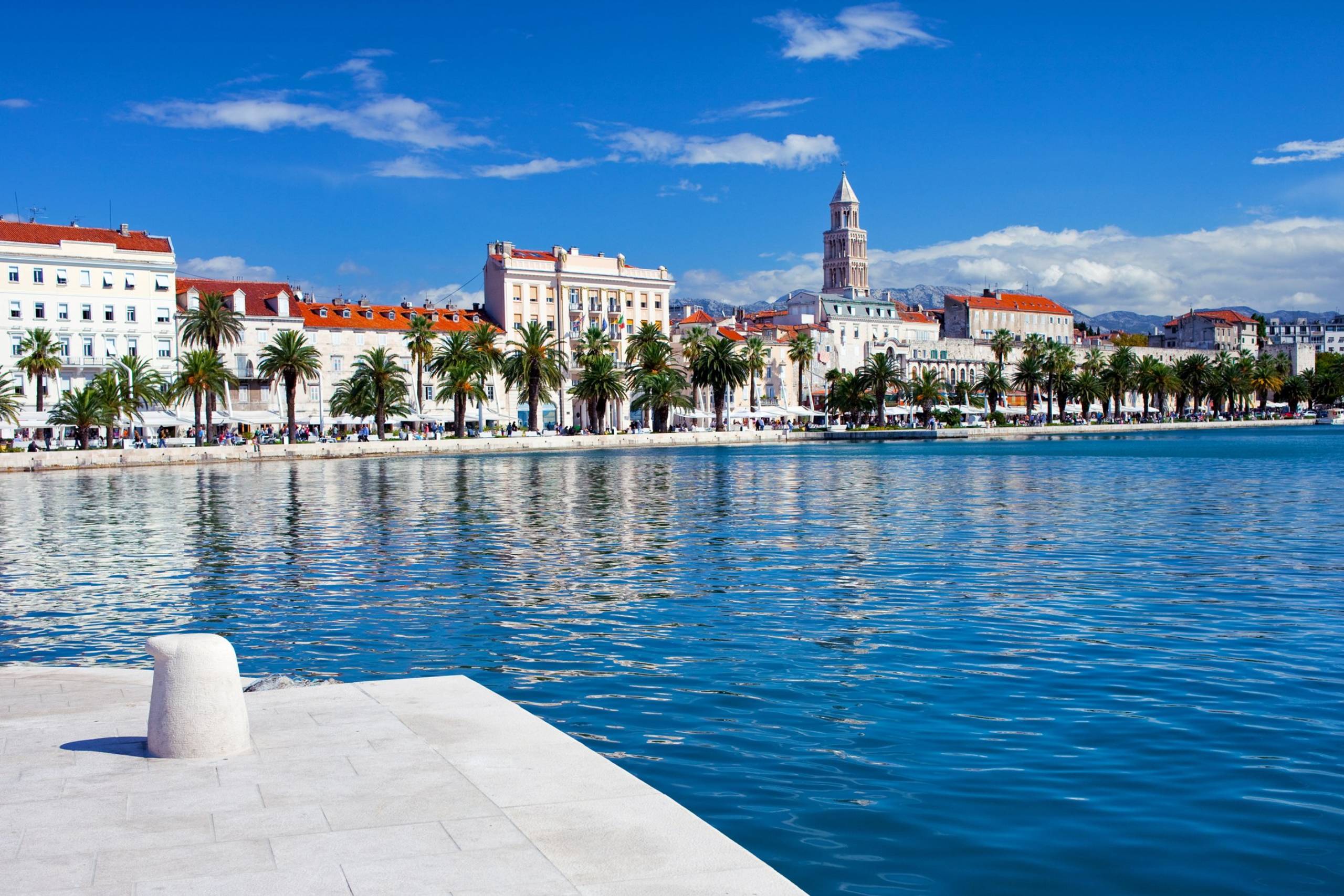
When Roman Emperor Diocletian built his retirement home, he chose Dalmatia’s sunniest and most sheltered bay. His white marble mansion now forms the historic heart of modern Split. Over 100 restaurant terraces radiate out from the Roman ruins, rendering Croatia’s second city one big pavement café. Diocletian’s garden now hosts Split’s daily market. Here 200 local stallholders sell cherries, honey and legs of prosciutto to superyacht chefs moored in the bay. Disembark here and a short transfer will bring you to Split International Airport.
A UNESCO World Heritage Site, this Dalmatian port is one of the world’s most visually arresting cities. Its Old Town is ringed by stone walls, turrets and towers; a Disney-esque redoubt. Within Dubrovnik’s Old Town, Stradun Street bisects a warren of marble lanes. Opposite Dubrovnik lies the uninhabited island of Lokrum. It tempts with a botanical garden, an 11th-century Benedictine monastery and the odd Caribbean-like cove.
Dubrovnik
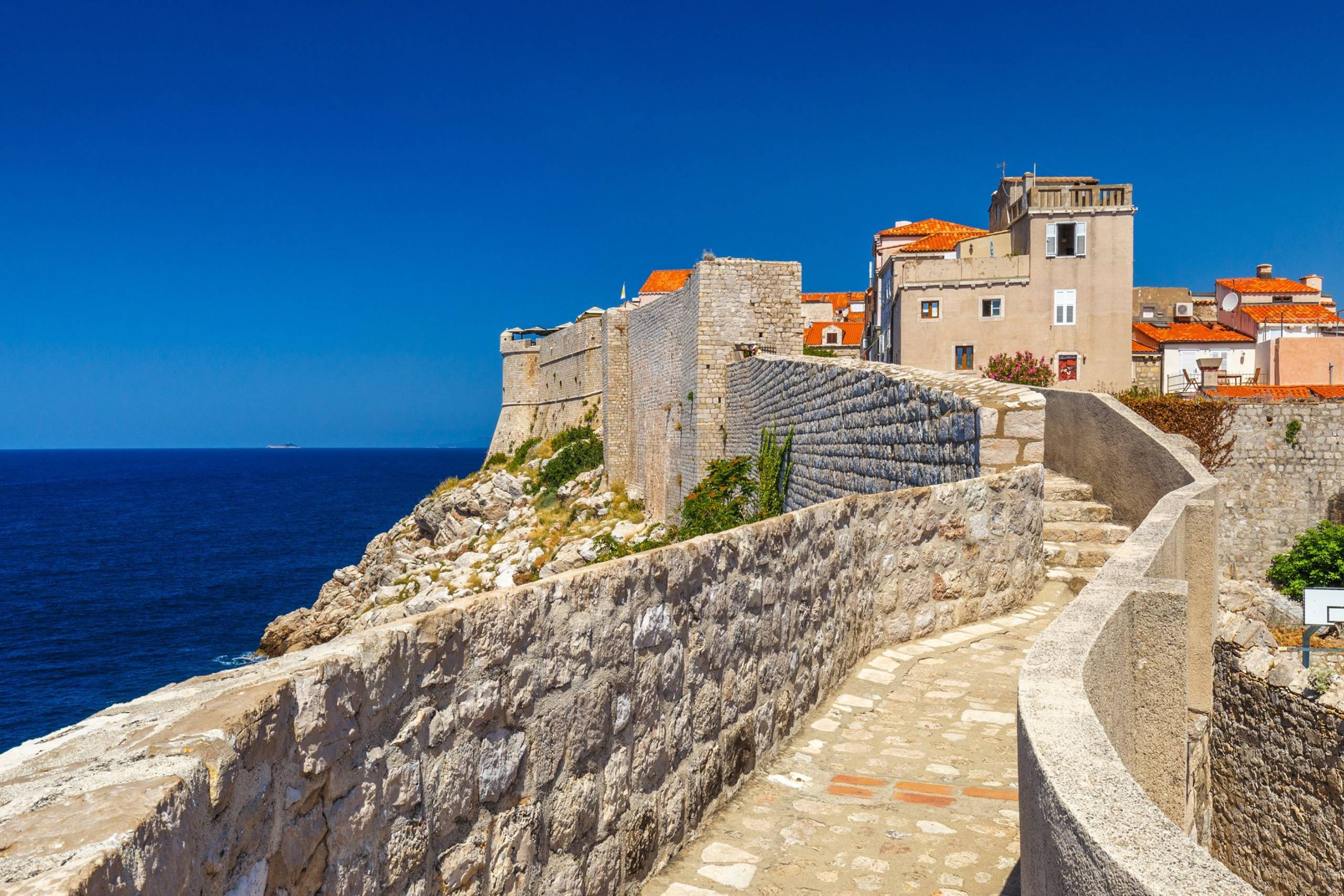
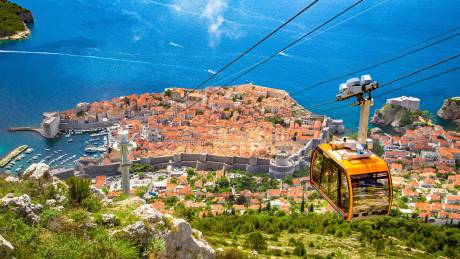
Dubrovnik City WallsDubrovnik is best known by its distinctive Old Town all surrounded by the Walls of Dubrovnik;1940 meters long with 6 fortresses. Walk the city walls in 1.5 to 2 hours.
Dubrovnik
Mount Srd, DubrovnikHike up Mount Srd at 1352ft for incredible views over the Adriatic Sea to the Elafiti Islands over 35 miles away. The hike is approximately 1 hour or take the cable car. Soak in the views at the Panorama Restaurant & Bar.
Mljet is an evergreen dream. Imagine an impossible wiggle of forests protecting a chain of lake-like bays. Tiny islets lie scattered in the shallows. One houses a monastery, others have remained uninhabited since time began. Best of all, Mljet basks in its very own bath of Adriatic blue. Sail west and it’s next stop Italy.
Around half of this pristine splendour is encased within a National Park. The entrance gate smacks of a secret garden. Tiptoe through a ruined Roman fort into an enchanted forest where deer, mongoose and rare eagle owls roam free. Unlike most Croatian islands, Mljet is simply massive. Just 1,000 people reside on 100km2 of emerald green land.
Marco Polo, the globe’s most famous navigator, came from Korčula. Each year, dedicated travellers make their own pilgrimage to this verdant Adriatic isle, hunting down Polo’s place of birth. Marco would still recognise his medieval home in Korčula’s enchanting Old Town.
Korčula shelters some sublime strips of sand; most are clustered around the cape of Lumbarda, and are a breeze to access by sea. Equally blissful are the beaches on Badija, an island gem due north of Korčula's old town, populated only by Franciscan monks. Proizd, an isolated islet off Korčula’s northwest coastline, is a geological wonder of white stone beaches and Thailand-turquoise bays.
Hvar is a sun-splashed rollercoaster of history and hedonism. Its combination of culture and cocktails renders it Croatia’s answer to both Antibes and St Tropez. With 2,800 hours of sunshine a year, it’s the country’s sunniest, and chicest, spot. It's also part of an informal club of the world's finest islands, which includes Bora Bora, Bali and Capri.
Days commence with caffè macchiatos in St Stephen’s Square. The setting is impossibly grand, as Venice turned Hvar into a marble-lined masterpiece of medieval finery. Those visitors in search of superyacht seclusion may hit the nearby island of Šcedro. It boasts over 20 tiny bays… and a population of just 1.
The Pakleni Islands is a wonderful chain of wooded isles which names derives from 'paklina', a pine resin that was once harvested here to waterproof boats. Just a short sail from Hvar, anchor in a quiet bay and discover these crystal-clear waters, hidden beaches and deserted lagoons.
Halfway between Croatia and Italy, Vis is a heavenly cradle of culture, seafood and fabulous wine. A single daily ferry runs this far out into the Adriatic, so only visitors with their own yachts frequent these crystal clear waters. Vis’s restaurants are gourmet sensations. Val serves scorpion fish and local lobster under a lemon grove. More isolated still is the island of Biševo. It hosts only 11 residents, a handful of vineyards and one very cool cave. Take the tender to the Blue Cave around lunchtime and dive right in. Rays of sun, ethereal shadows and a white coral seabed combine in a surreal lightshow.
The largest of Dalmatia’s islands, Brač is best known for Zlatni Rat, its glorious ‘Golden Cape’. Croatia’s most famous beach is a triangular 500m peninsula that juts out from the pine-clad coast. Its white pebble shore forms a striking contrast with the translucent turquoise waves.
What beats the beach is the postcard-perfect panorama from above. At 780 metres, Brač’s Vidova Gora peak is the highest in the Adriatic, offering vistas over Zlatni Rat as well as the nearby island of Hvar. The descent on foot is equally alluring, where olive groves and rippling vineyards tumble back down the sea.
When Roman Emperor Diocletian built his retirement home, he chose Dalmatia’s sunniest and most sheltered bay. His white marble mansion now forms the historic heart of modern Split. Over 100 restaurant terraces radiate out from the Roman ruins, rendering Croatia’s second city one big pavement café. Diocletian’s garden now hosts Split’s daily market. Here 200 local stallholders sell cherries, honey and legs of prosciutto to superyacht chefs moored in the bay. Disembark here and a short transfer will bring you to Split International Airport.
let's chat.
Get in touch with one of our teams around the world
Where you'll find us
Monaco — MC
+377 93 50 12 12London — UK
+44 20 7584 1801Fort Lauderdale — US
+1 954 278 3970Auckland — NZ
+64 9 281 5133Contact us
info@y.coShare Moodboard.
Collaborate with a Y.CO Team member to check availability of yachts on your board or receive tailored suggestions based on your inspiration.
Where you'll find us
Monaco — MC
+377 93 50 12 12London — UK
+44 20 7584 1801Fort Lauderdale — US
+1 954 278 3970Auckland — NZ
+64 9 281 5133Contact us
info@y.coLogin/Register
Length
Price per week
Dates
Length
Price per week
Dates
0 Results
SearchLength
Price per week
Build range
Length
Price per week
Build range
0 Results
Search0 Results
SearchCharter AI can make mistakes. Check important info. See Privacy Policy.