Length
Guests
Cabins


Think of the Arctic and you’ll probably picture a polar bear. The image of this majestic beast is so inextricably linked to this region that it could represent the Arctic landscape itself: indomitable, exotic, deadly if not respected. The polar bear has fascinated and frightened humankind since its earliest days. Sightings of polar bear are always awe-inspiring. Even though they are well-known as the largest carnivorous land mammal on earth, their sheer size - 700kg and over 11 feet tall when standing upright – is still surprising.
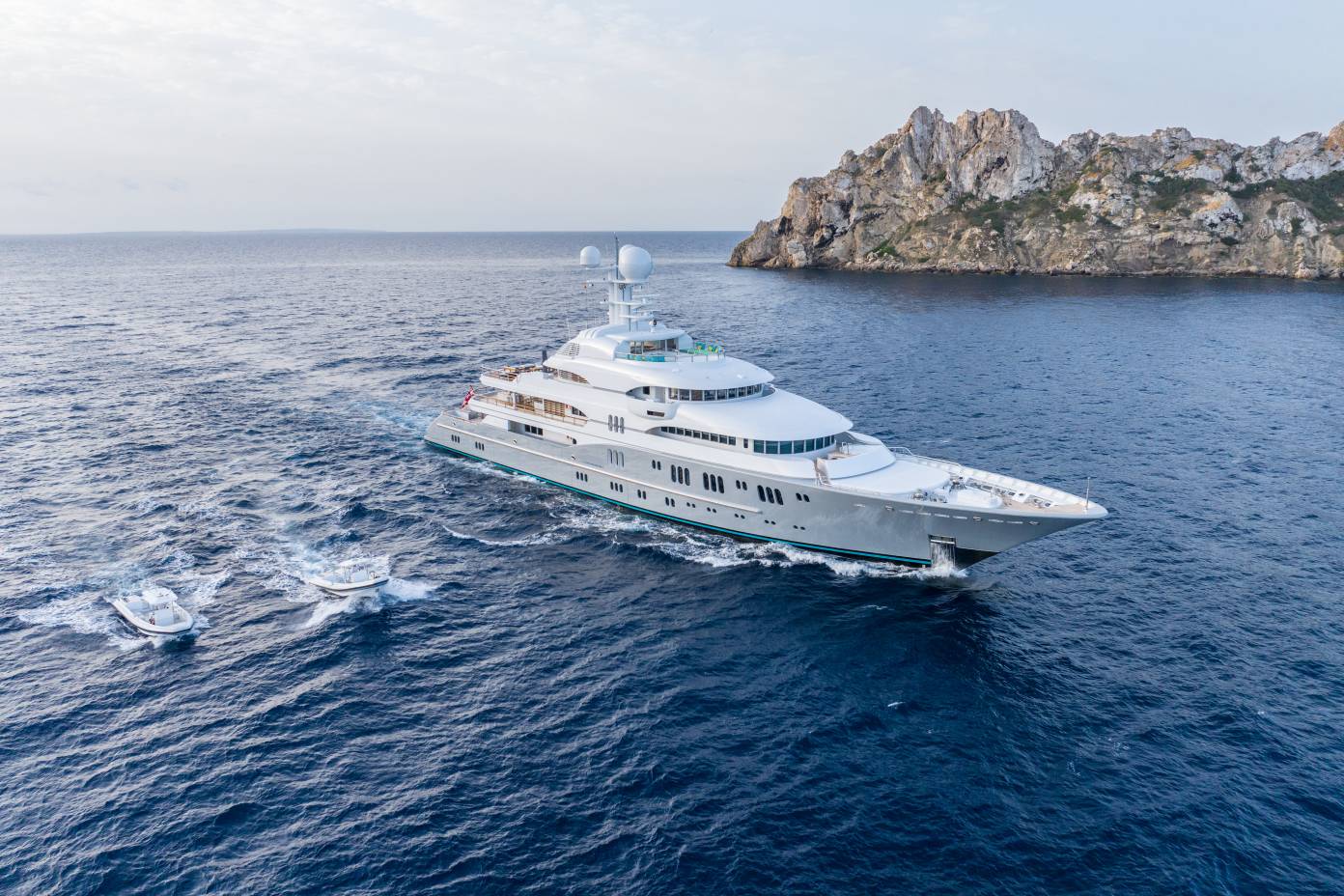
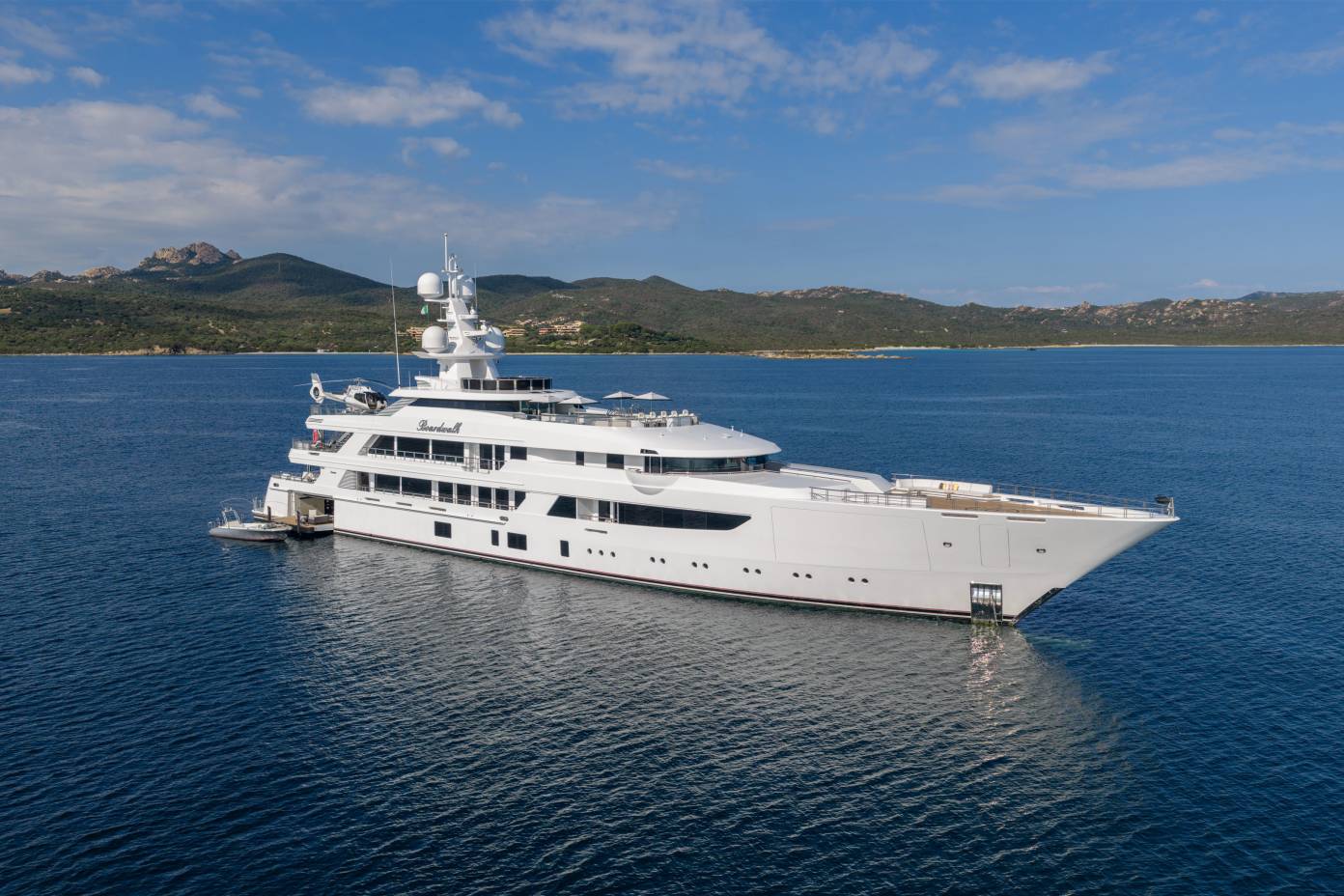
To spot one, a buttery yellow mass of fur against the Arctic permafrost, you’ll need to move away from the bounds of human habitation and into the remote coastal areas of Svalbard. That’s why the best way to sight these animals in their natural habitat is from a superyacht. Svalbard is one of the very few places in the world to be recognized as a certified sustainable destination and has taken many steps to allow its population of polar bears to recover dramatically over the past few decades. It is forbidden to actively search for the bears, which makes each sighting of one all the more special.
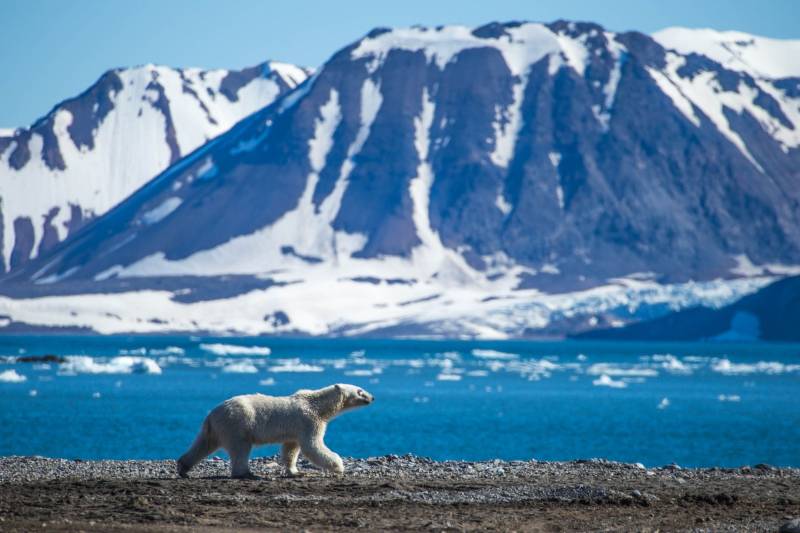
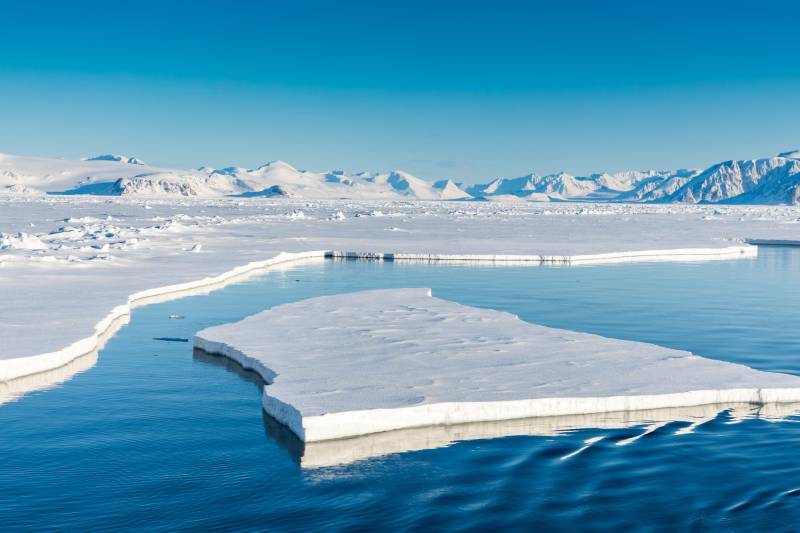
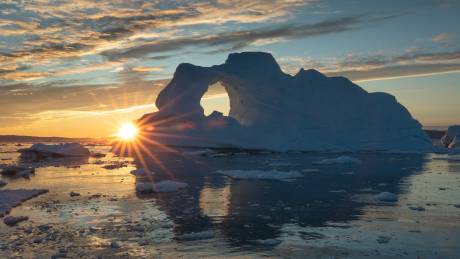
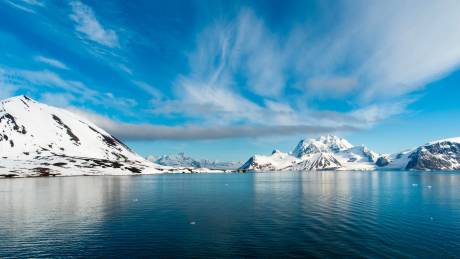
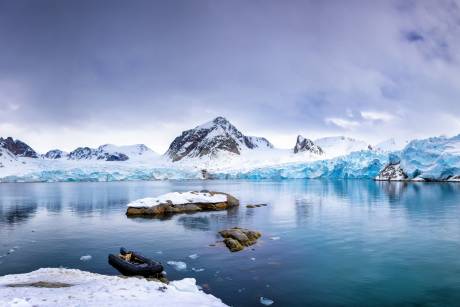
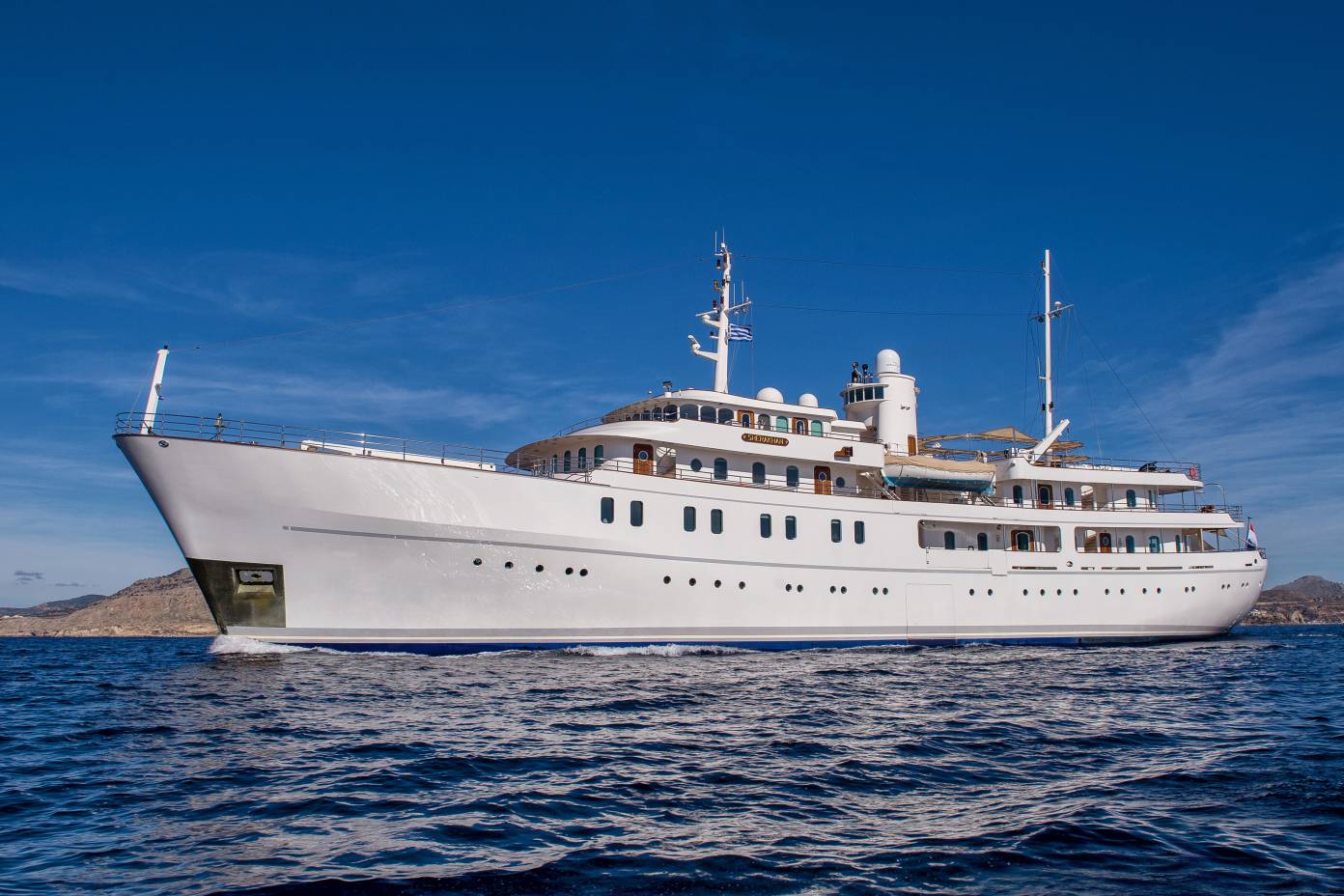
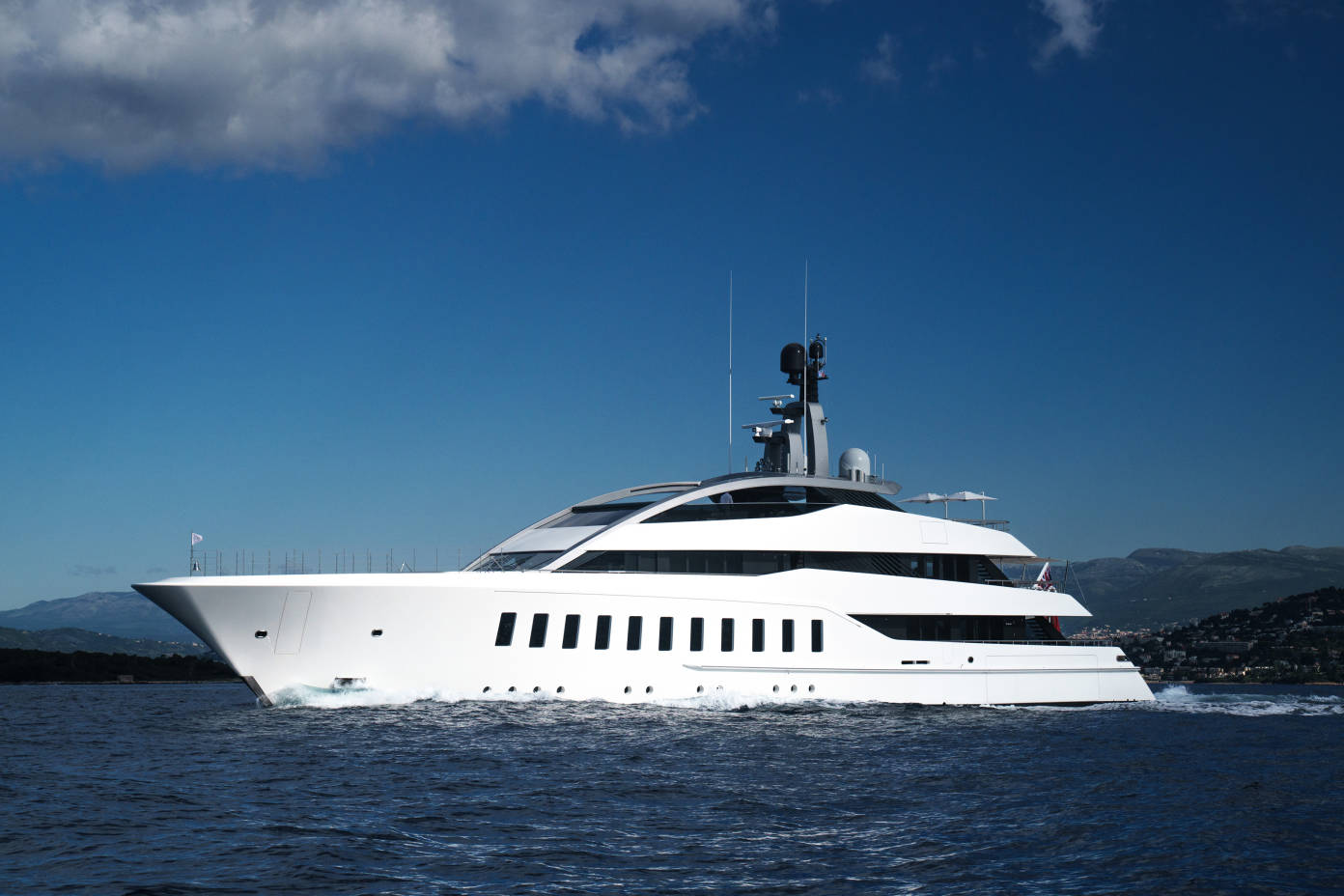
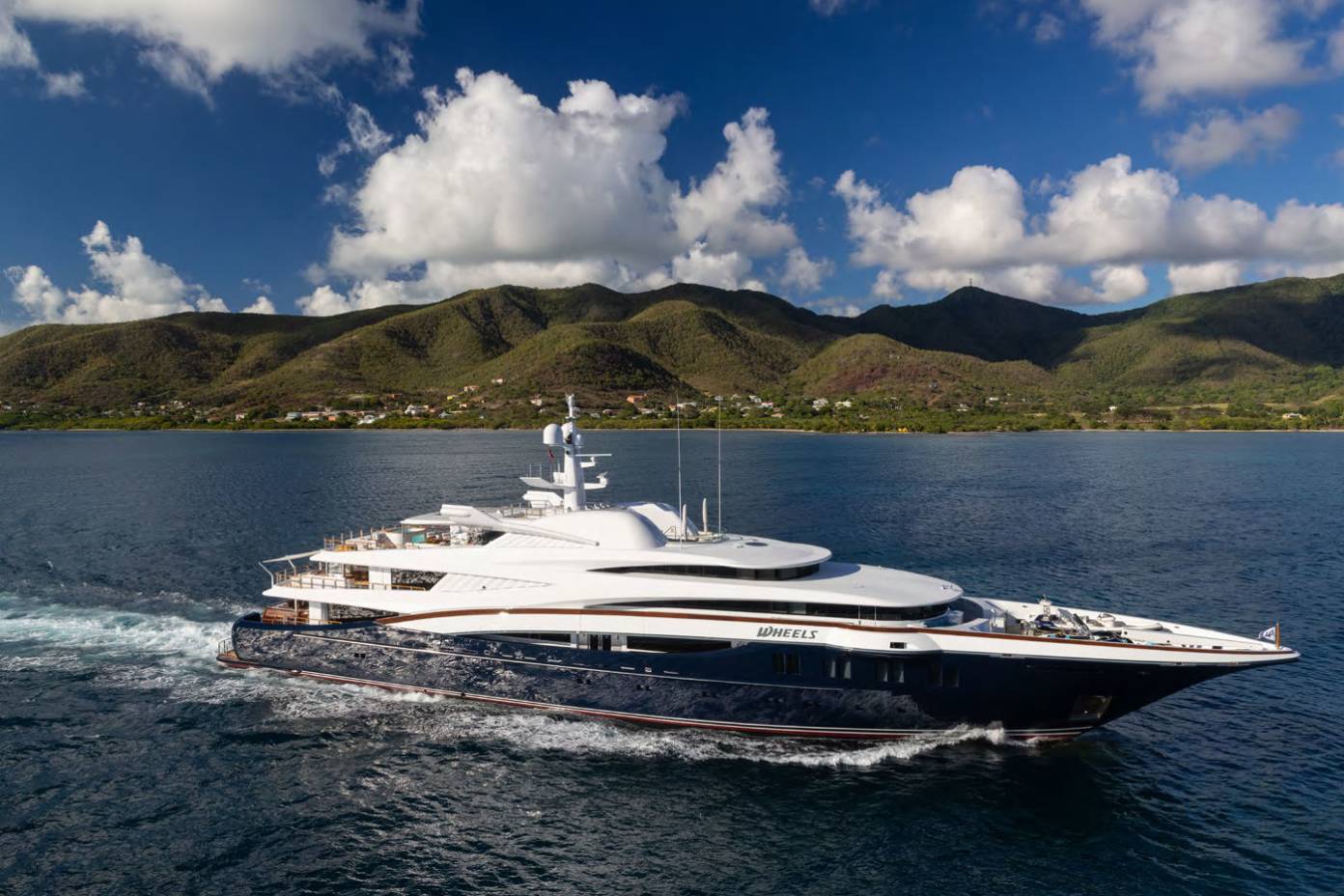
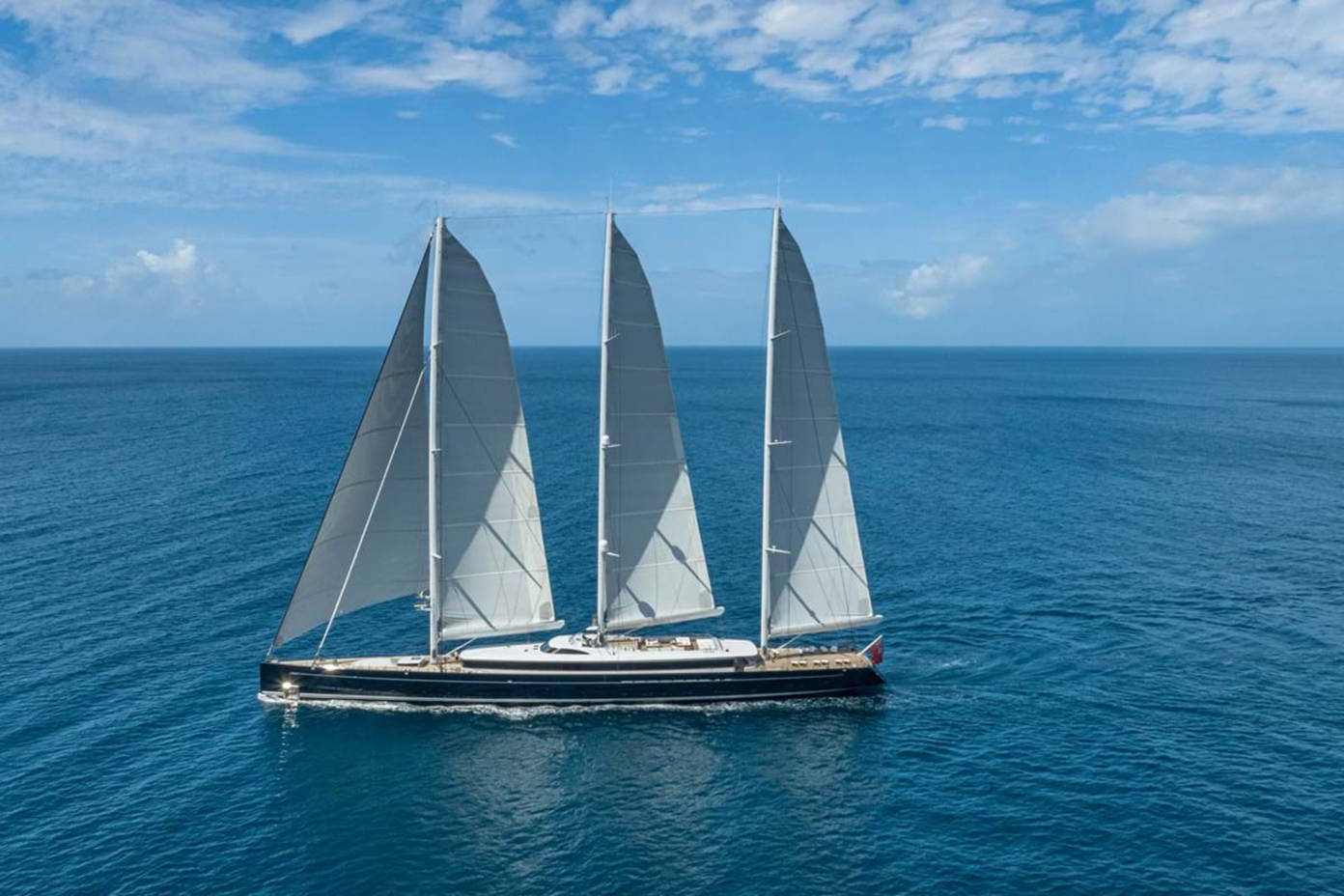
To sight these majestic animals, charter between the months of May and September, when the midnight sun skims the horizon and the ice encompassing the archipelago begins to melt, allowing for easier navigation and higher concentration of bears among the remaining icy areas. Together with a specialist wildlife guide cruise the Svalbard Archipelago, between snow-drowned peaks and glaciers, vast ice fields and sculpture galleries of icebergs, sighting seals and walruses from tenders as well as taking hikes ashore to encounter land mammals such as reindeer and arctic foxes.
For the Arctic is bursting with marine and bird life. Six species of seal, four kinds of whale, the walrus, and millions of birds and fishes inhabit these farthest reaches of the north. The Polar Bear has become central to the narrative of global warming that dominates our times. To view these majestic beasts for yourself is a sight that will stay with you forever, adding to your knowledge and heightening your awareness of what’s at stake for these fragile polar environments.

Svalbard is home to one of the world's largest polar bear populations and offers vast areas of protected Arctic wilderness. The combination of sea ice, remote coastlines and minimal human development creates an ideal habitat for these iconic animals.
No. Polar bears are wild animals and it is forbidden to actively search for them in Svalbard. This makes every sighting a genuine wildlife encounter and all the more memorable when it happens.
The main season runs between May and September, when the retreating sea ice allows greater access to the archipelago and wildlife is often easier to observe along the coastlines and remaining ice edges.
In addition to polar bears, guests may spot walruses, seals, whales, Arctic foxes, reindeer and vast colonies of seabirds. Wildlife encounters are a highlight of any journey through the archipelago.
Many of Svalbard's most remote areas can only be reached by sea. A yacht provides the flexibility to explore secluded fjords, glaciers and ice-filled bays while adapting to wildlife sightings and changing conditions.
Yes. Conditions permitting, guests can explore selected locations with specialist guides, offering the chance to experience Svalbard's landscapes and wildlife from a different perspective.
Wildlife guides provide valuable insight into animal behaviour, local ecosystems and conservation efforts. Their expertise helps guests gain a deeper understanding of the Arctic environment throughout the experience.
Not at all. The archipelago is renowned for its dramatic glaciers, towering mountains, icebergs and unique Arctic landscapes. Many guests are just as captivated by the scenery as they are by the wildlife.
During the summer months, the midnight sun remains visible for much of the day, creating extended opportunities for exploration, wildlife spotting and photography in extraordinary light.
For many guests, it's the moment they spot their first polar bear. Whether it's a solitary bear patrolling the ice edge, a mother with her cubs on a remote shoreline or a distant figure moving across the snow, there is a real sense of awe in witnessing one of the world's most iconic predators in its natural habitat. It's a rare wildlife encounter that few people ever experience and one that stays with you long after the charter has ended.
View more inspiration
let's chat.
Get in touch with one of our teams around the world
Where you'll find us
Monaco — MC
+377 93 50 12 12London — UK
+44 20 7584 1801Fort Lauderdale — US
+1 954 278 3970Auckland — NZ
+64 9 281 5133Contact us
info@y.coShare Moodboard.
Collaborate with a Y.CO Team member to check availability of yachts on your board or receive tailored suggestions based on your inspiration.
Where you'll find us
Monaco — MC
+377 93 50 12 12London — UK
+44 20 7584 1801Fort Lauderdale — US
+1 954 278 3970Auckland — NZ
+64 9 281 5133Contact us
info@y.coLogin/Register
Charter AI can make mistakes. Check important info. See Privacy Policy.