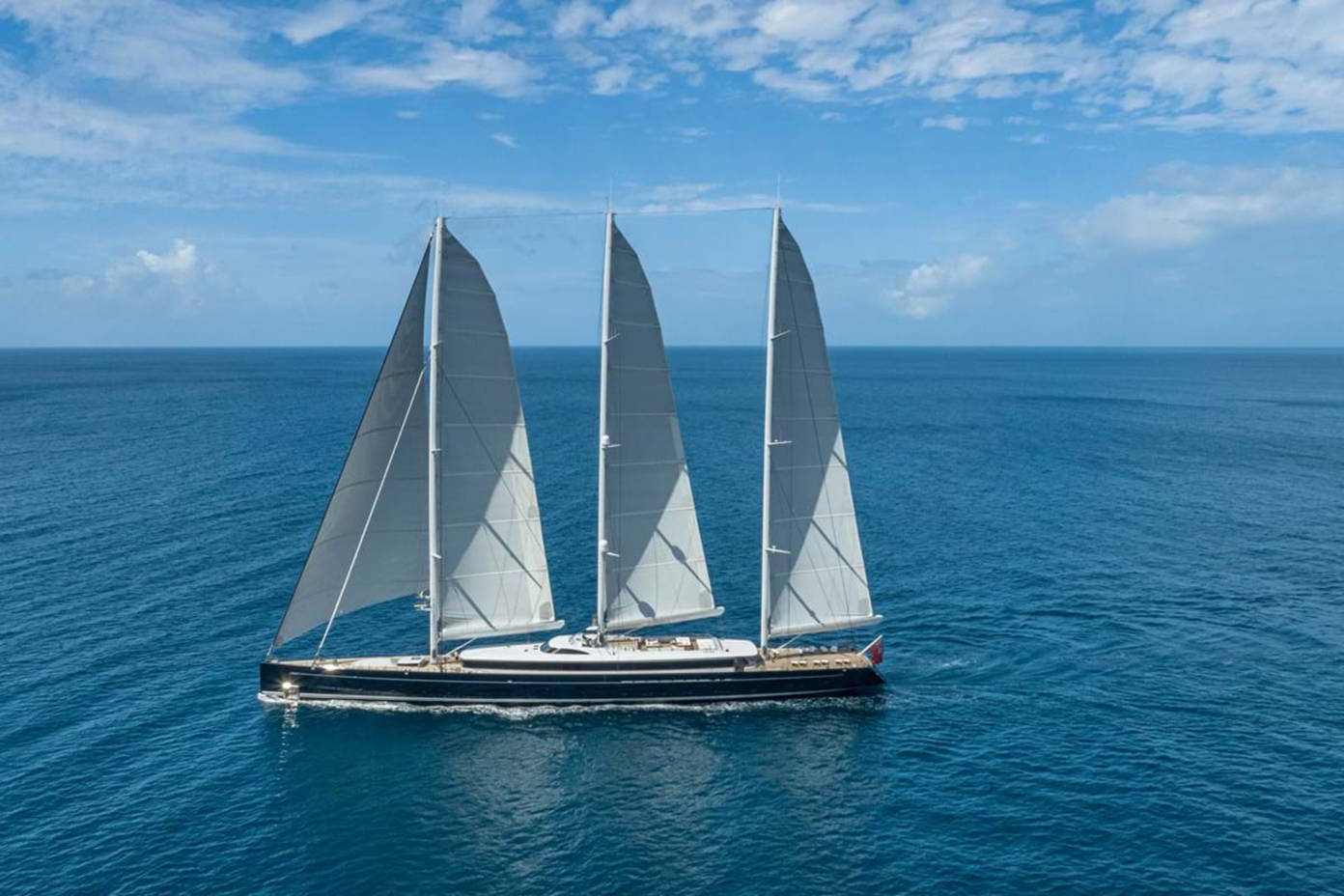
Length
Guests
Cabins
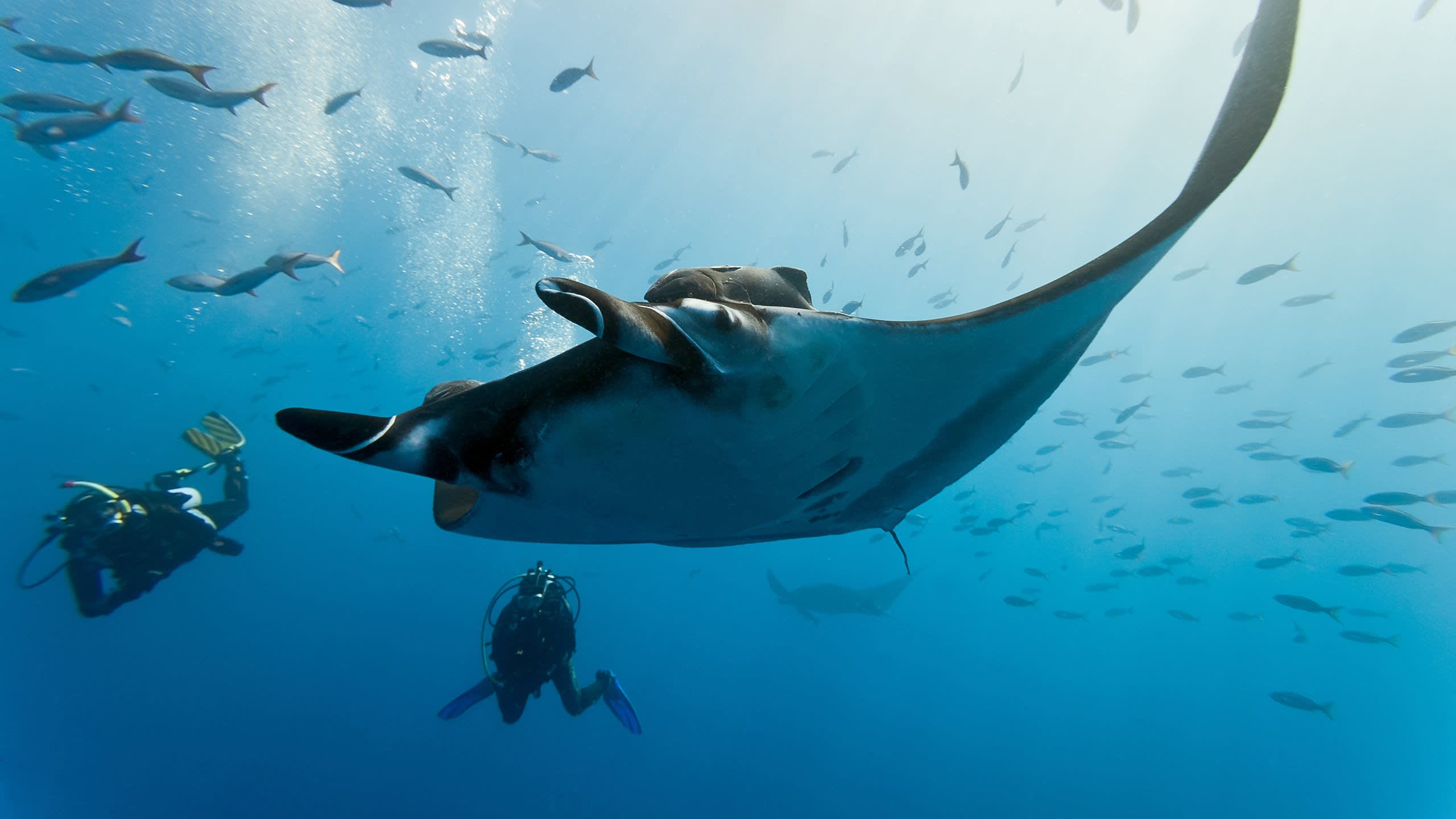
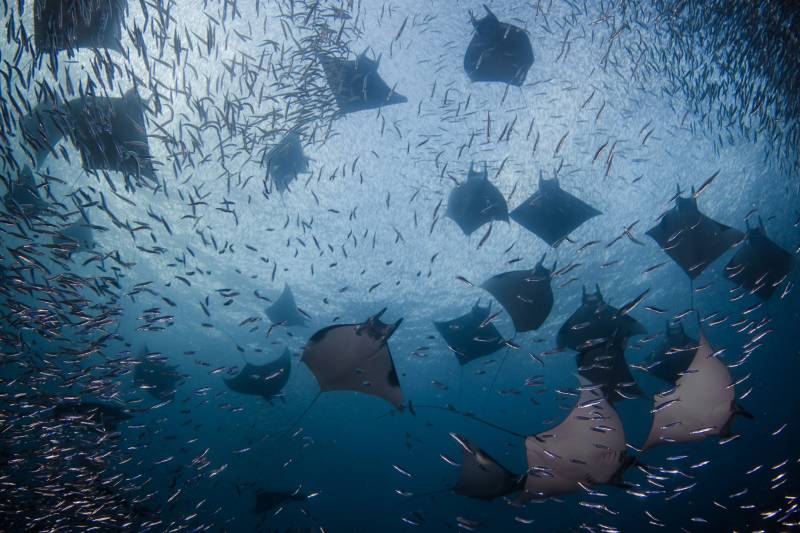
If you like your wildlife larger-than-life, then head to Mexico’s Revillagigedo archipelago, some 600km off the country’s Pacific coast. Getting to the islands of San Benedicto, Clarion, Roca Partida and Socorro might be hard – they’re a 24-hour journey from Cabo San Lucas - but for those who make the journey, they offer marine life in abundance that is rarely seen anywhere else on the planet. For what these islands lack in colourful reefs, they make up for with giant oceanic manta rays, resident pods of bottlenose dolphins, and the occasional mammoth-sized whale shark.
Socorro Island is well-known for the amazing opportunity it provides to observe one of the friendliest pelagic species – the giant Manta Ray. Despite their intimidating 12 to 16-foot wingspan, these graceful oceanic acrobats take great interest in passing divers and are known to enjoy rolling and swimming overhead, seeming to enjoy the gentle tickling sensation of the air bubbling up from the scuba equipment. Giant oceanic manta sightings are common between November and July, and the very best sites – like The Boiler off San Benedicto Island – also double as manta cleaning stations.
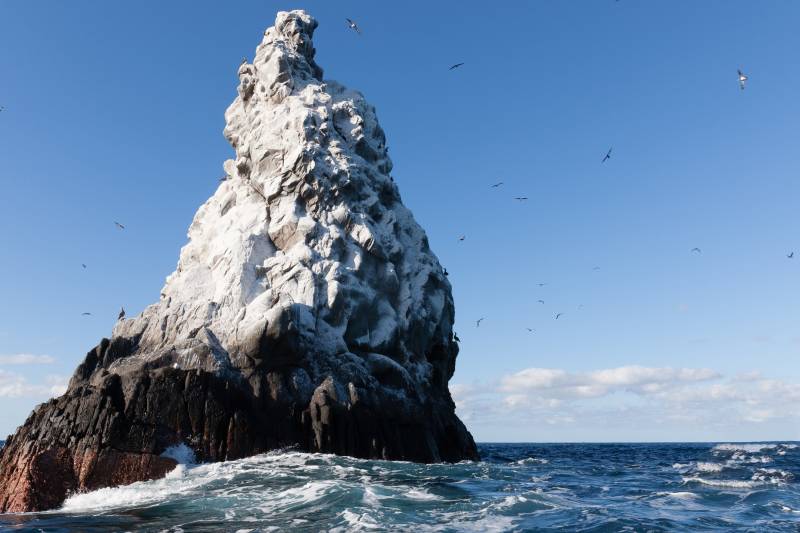
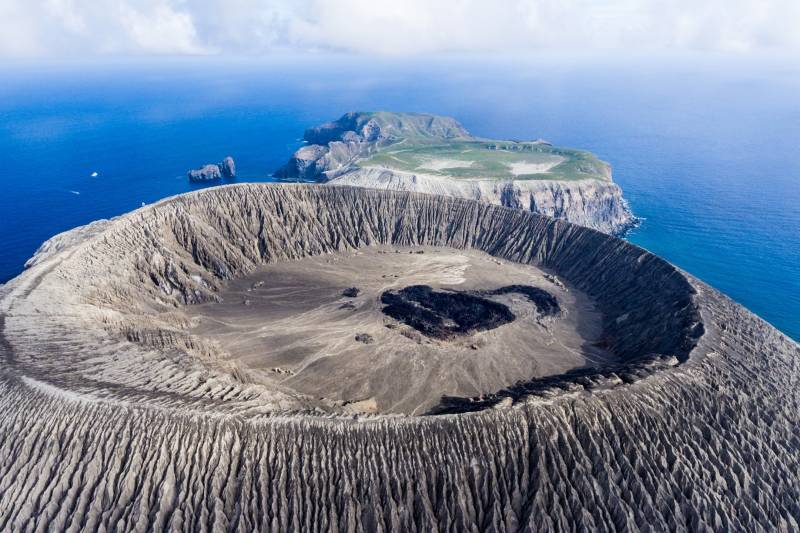
From the seafloor to the surface, these protected waters are alive with a thriving ecosystem, offering divers the chance to observe how the oceans might have been 200 years ago. Manta Rays and pods of dolphins are often spotted eagerly greeting yachts as they enter the region, and divers are often accompanied by the friendly clicks and squeaks of these playful creatures as they explore. Humpback whale sightings are also common, and divers can watch them breach and roll between January and April each year. The area is also home to nine species of shark, including the majestic whale shark.
The Archipelago marine reserve now protects over 148,000 miles of underwater species, making it the largest protected marine reserve in North America. Litter and other dangerous and unnatural items that could harm the wildlife are removed regularly and scientists in the area are researching new ways to improve underwater conservation. By choosing to dive here, you will be helping keep this marine ecosystem alive and flourishing for future generations of divers.
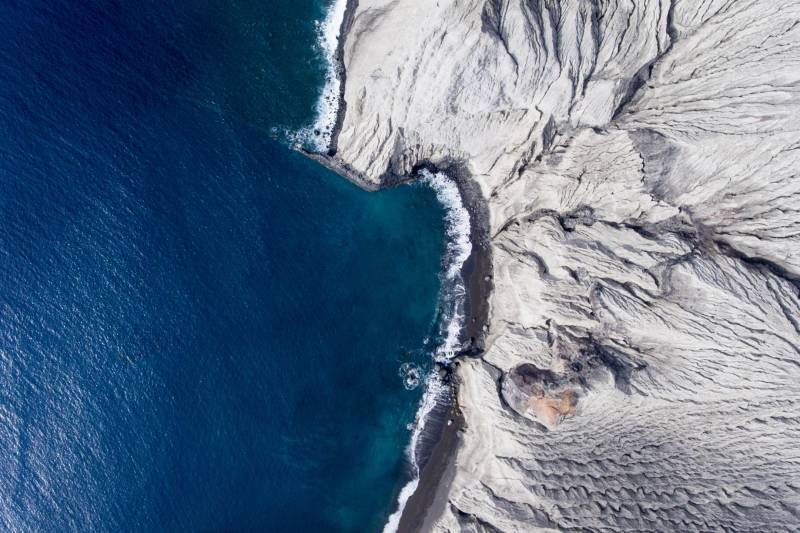
Often referred to as the "Mexican Galápagos", the archipelago is renowned for its incredible concentration of large pelagic species. The remote location and protected waters have created one of the most remarkable marine ecosystems in the Pacific.
The giant oceanic manta rays of Socorro are known for their curiosity around divers. Rather than keeping their distance, they often approach closely, circling and gliding overhead in a way that feels surprisingly interactive.
Manta ray sightings are common between November and July, with several of the region's most famous dive sites also serving as cleaning stations where mantas regularly gather.
The archipelago is home to bottlenose dolphins, humpback whales, whale sharks and numerous shark species. Encounters often extend well beyond what guests expect from a typical diving destination.
Located off San Benedicto Island, The Boiler is one of the best-known manta ray sites in the world. Its cleaning stations attract giant mantas, making it a favourite location for close wildlife encounters.
The region is best known for its big-animal encounters and oceanic conditions. Your dive guides will advise on suitable sites based on experience levels, prevailing conditions and certification requirements.
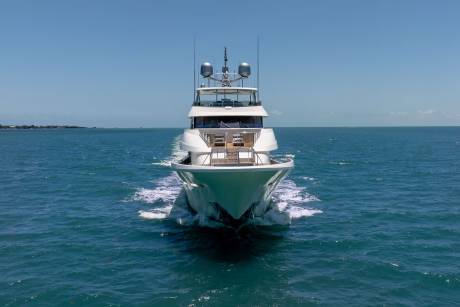
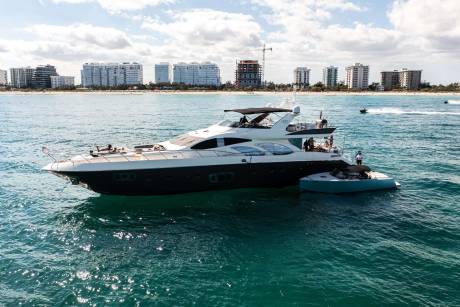
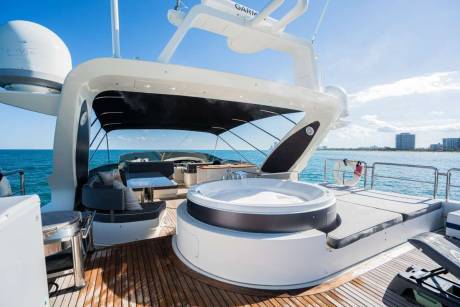
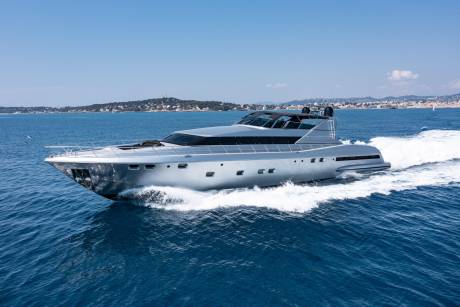
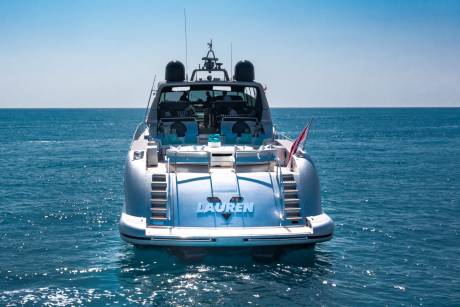
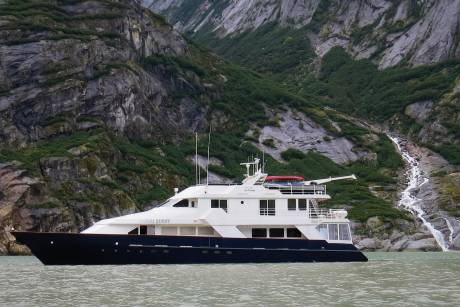
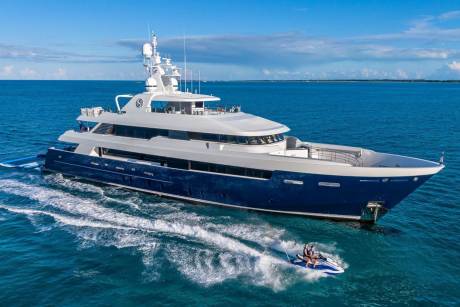
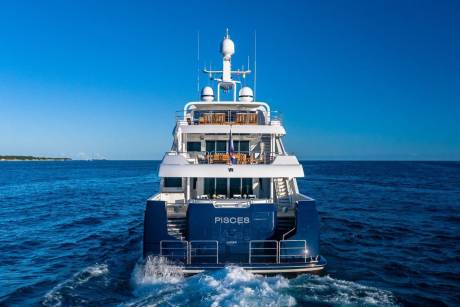
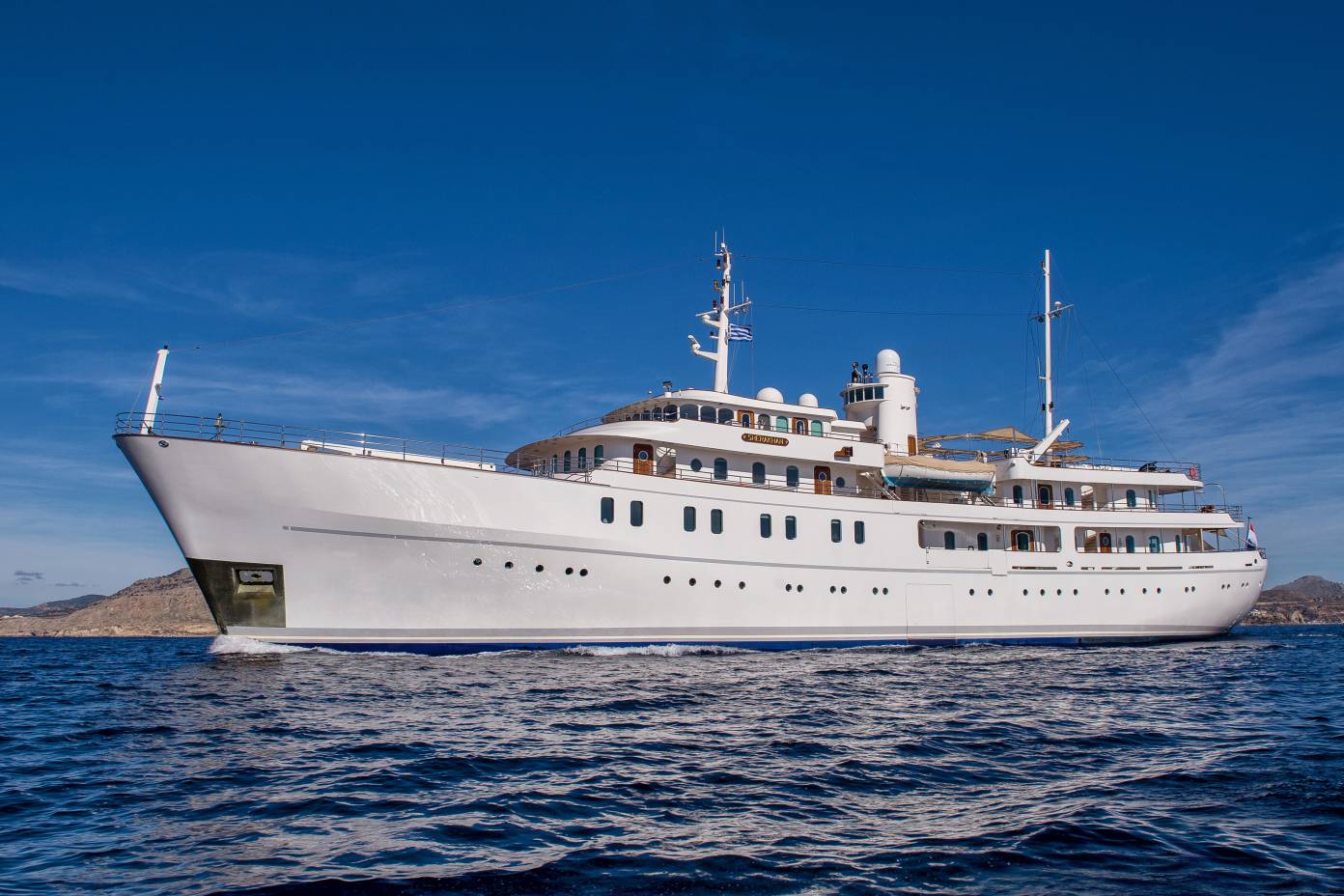
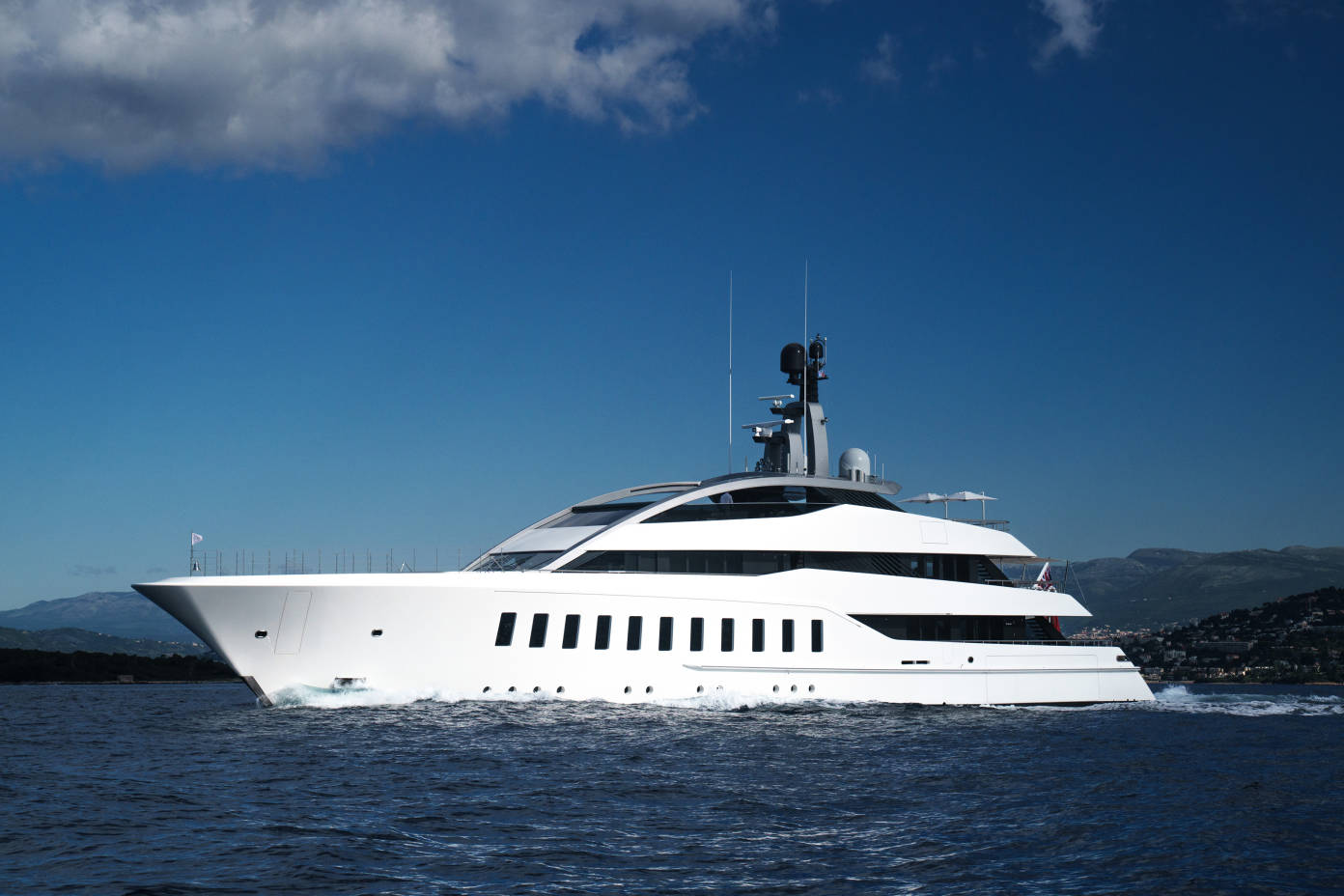
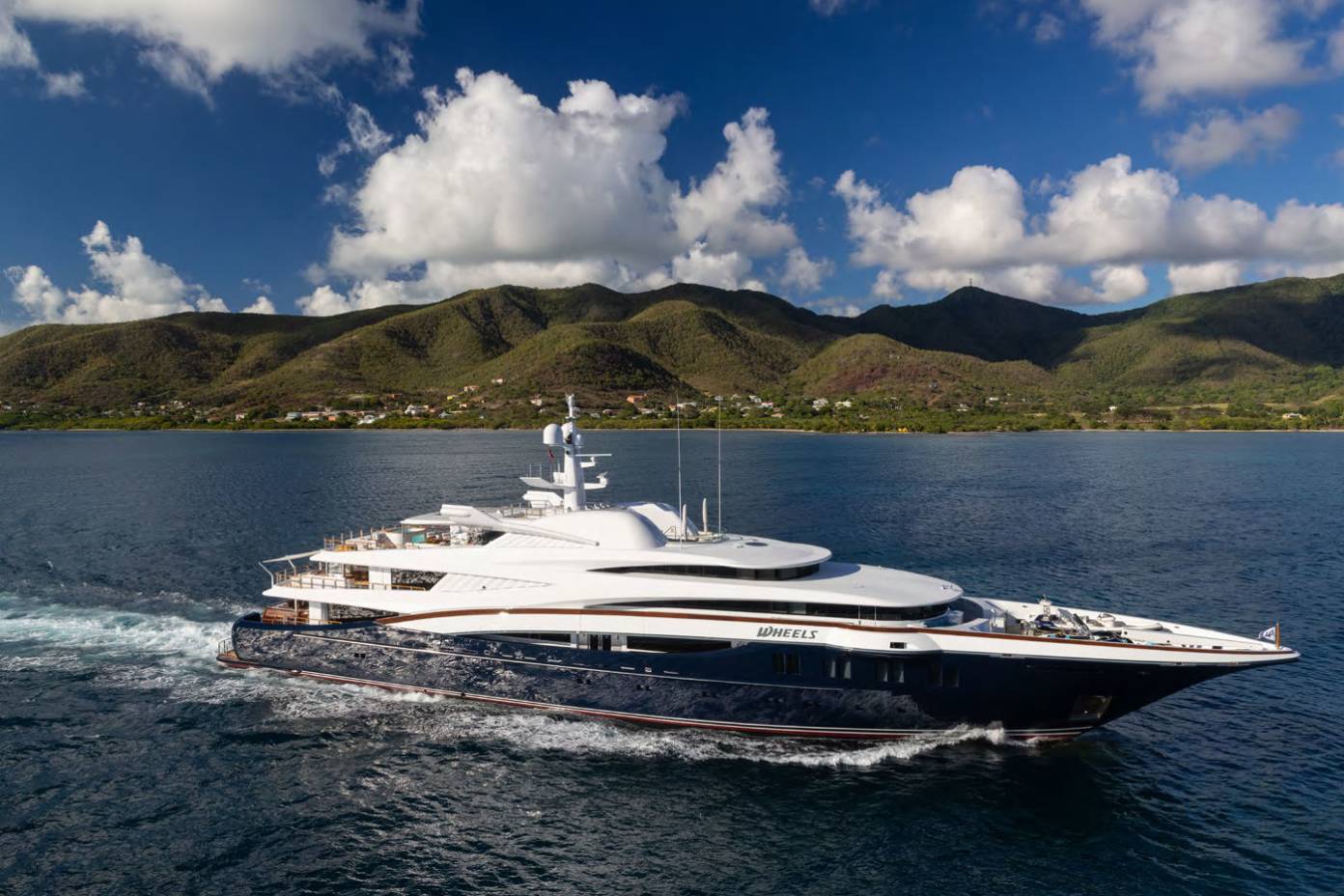
Given the islands' remote location, arriving by yacht allows guests to spend more time exploring the dive sites and wildlife-rich waters rather than travelling back and forth from the mainland.
Many guests are surprised by how frequently animals interact with divers. Curious manta rays, playful dolphins and regular sightings of larger pelagic species create an experience that feels far more immersive than simply observing wildlife from a distance.
The Revillagigedo marine reserve protects a vast area of ocean, helping safeguard important habitats for manta rays, whales, sharks and other marine species. Ongoing conservation efforts help preserve the biodiversity that makes the region so exceptional.
For many guests, it's the feeling of being surrounded by some of the ocean's most majestic creatures. Whether it's a manta ray passing silently overhead, dolphins accompanying the dive or a distant whale breaching on the horizon, the scale of the wildlife encounters is difficult to forget.
let's chat.
Get in touch with one of our teams around the world
Where you'll find us
Monaco — MC
+377 93 50 12 12London — UK
+44 20 7584 1801Fort Lauderdale — US
+1 954 278 3970Auckland — NZ
+64 9 281 5133Contact us
info@y.coShare Moodboard.
Collaborate with a Y.CO Team member to check availability of yachts on your board or receive tailored suggestions based on your inspiration.
Where you'll find us
Monaco — MC
+377 93 50 12 12London — UK
+44 20 7584 1801Fort Lauderdale — US
+1 954 278 3970Auckland — NZ
+64 9 281 5133Contact us
info@y.coLogin/Register
Charter AI can make mistakes. Check important info. See Privacy Policy.