
Length
Guests
Cabins
Diving the Cocos Island in Costa Rica
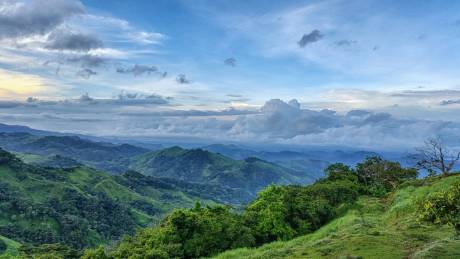
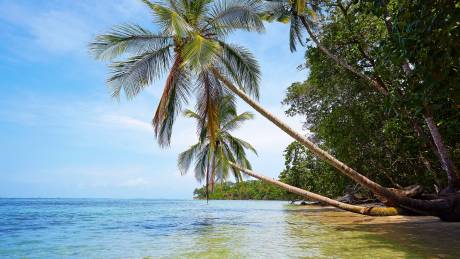
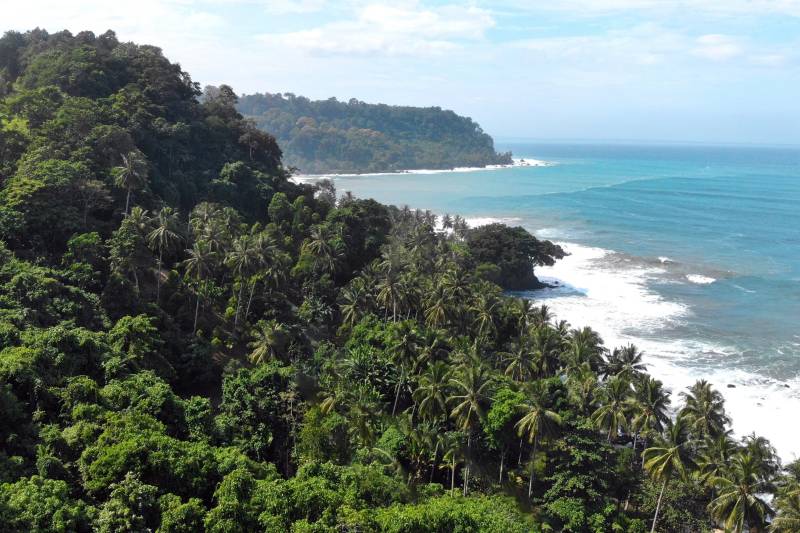
Located some 550 miles off the country’s west coast Cocos Island can be hard to get to – it’s a 36-hour cruise from the mainland - but for those who make the journey, it offers marine life in abundance that is rarely seen anywhere else on the planet. The island itself was deemed the most beautiful island on earth by Jacques Costeau and it’s easy to see why - mountainous tropical rainforest, filled with ferns, mosses and fungi, grow in a landscape abundant in rivers, streams, waterfalls, valleys and cliffs that plunge into the sea.
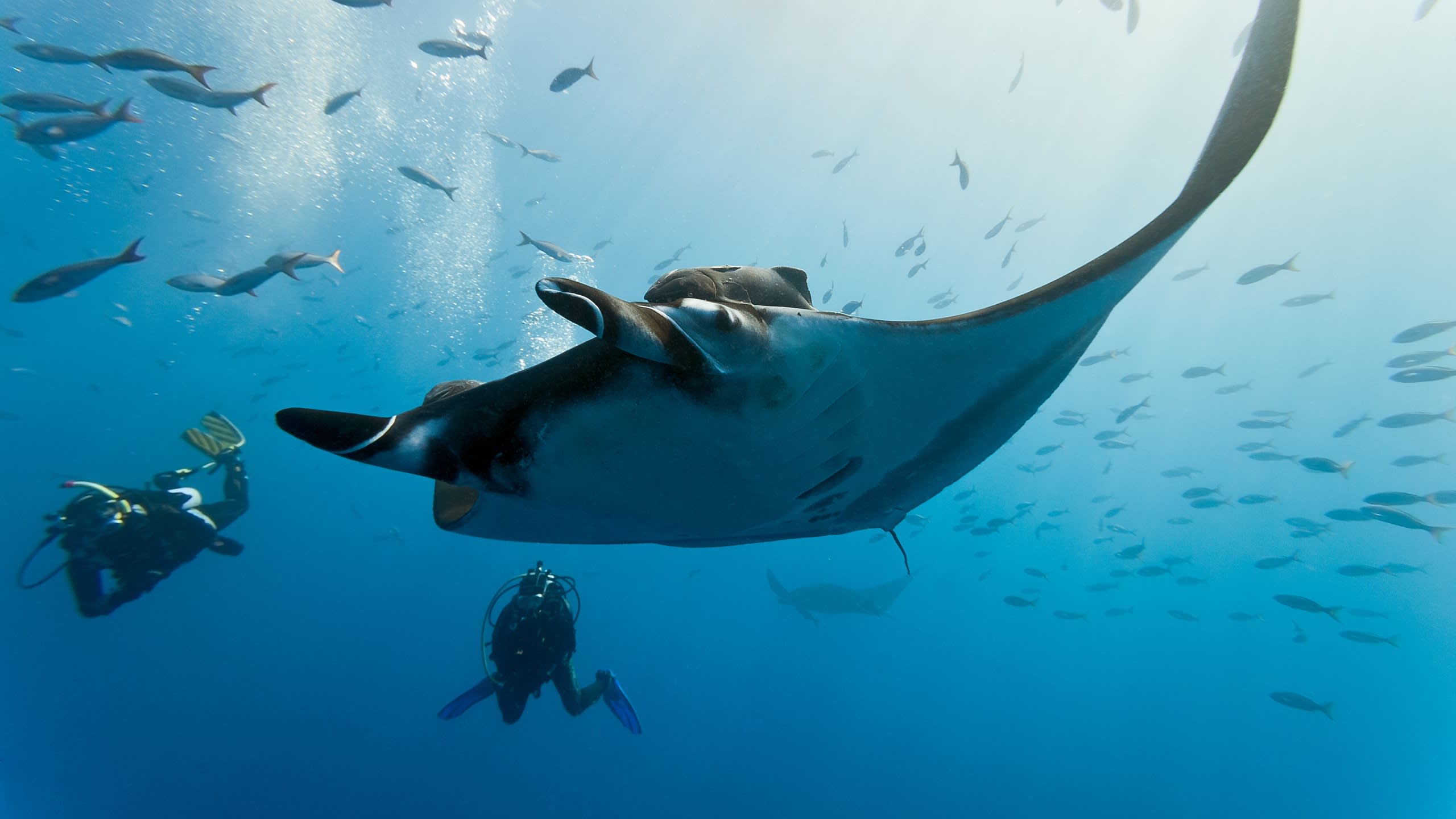
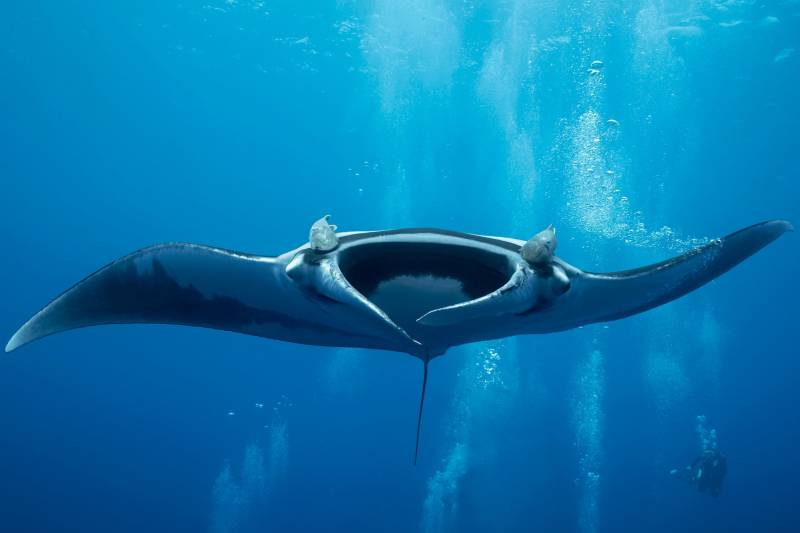
Cocos Island is well-known for the amazing opportunity it provides to observe one of the friendliest pelagic species – the giant Manta Ray. Despite their intimidating wingspan of up to 9 metres, these graceful oceanic acrobats take great interest in passing divers and are known to enjoy rolling and swimming overhead, seeming to enjoy the gentle tickling sensation of the air bubbling up from the scuba equipment. Giant oceanic manta sightings are common between January and July, and the very best sites – like Bajo Alcyone – also double as manta cleaning stations.

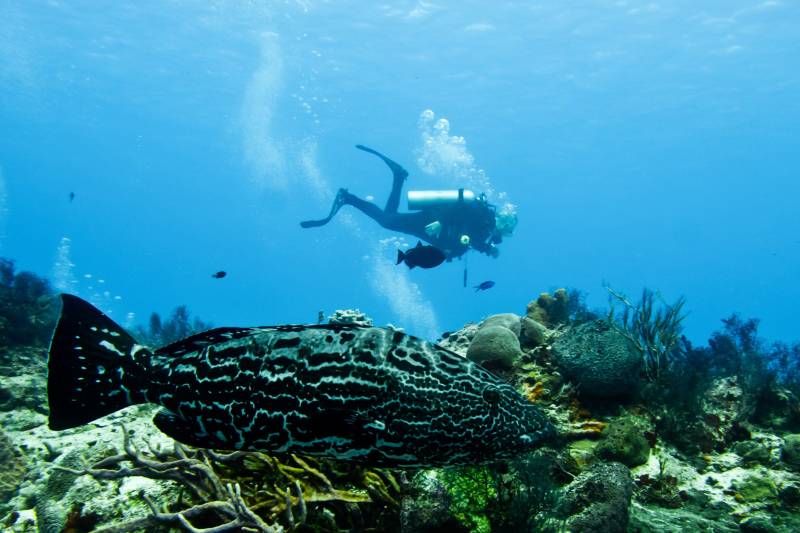
In the surrounding marine ecosystem there is rich coral reef, volcanic tunnels, caves and deeper waters, making it home to a breathtaking array of species including giant oceanic manta rays, resident pods of bottlenose dolphins, and the occasional mammoth-sized whale shark. There’s a reason this Unesco Marine reserve is known as “the little Galapagos.” The island is a mountain top, and beneath the surface, its protected waters are alive with a thriving ecosystem, offering divers the chance to observe how the oceans might have been 200 years ago.
The diversity of marine life is the result of climate, exposure to diverse ocean currents, and geology - the region’s caves, tunnels, and reefs. The climate is tropical and wet, and the island receives more than 6 meters (20 feet) of rainfall every year. Manta Rays aren’t the only species that divers can observe here. Pods of dolphins are often spotted eagerly greeting yachts as they approach, and divers are often accompanied by the friendly clicks and squeaks of these playful creatures as they explore. It’s a Pacific playground for schooling hammerheads, manta rays, whale sharks, endangered sea turtles and humpback whales.
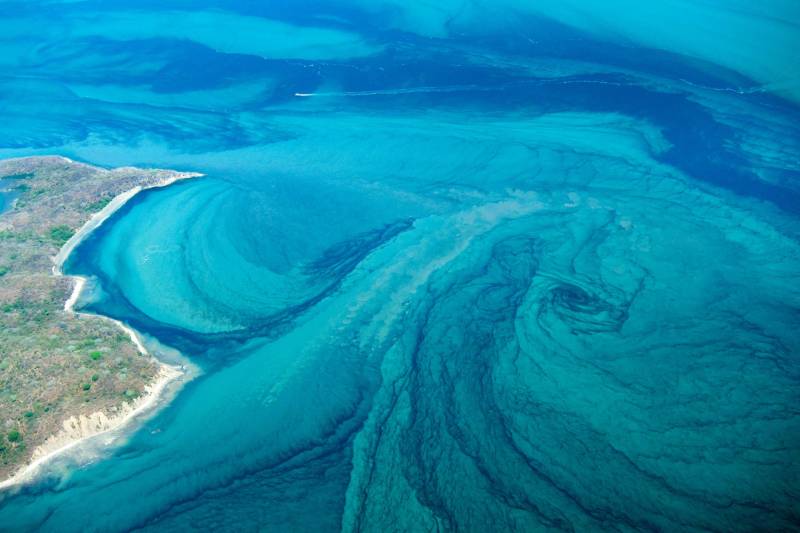
This marine reserve now protects over 809 square miles of underwater species. Restrictions on staying on the island reserve its pleasures solely for those with a boat, and excursions ashore are only possible with approval from park rangers, something that can be sought in advance of your yacht charter. By choosing to dive here, you will be helping keep this marine ecosystem alive and flourishing for future generations of divers.
View more inspiration for your yacht charter in Costa Rica
Its remote location and protected status have helped preserve an extraordinary marine ecosystem. Rich in pelagic life, coral reefs, caves and volcanic formations, it offers encounters that are increasingly rare elsewhere in the world.
Giant oceanic manta rays can be encountered throughout much of the year, with sightings particularly common between January and July when conditions are often ideal for observing these graceful animals.
Manta rays at Cocos Island are known for their curiosity around divers. It is not uncommon to see them glide effortlessly overhead or circle nearby, creating unforgettable close-up encounters.
The waters around Cocos Island are home to an incredible variety of species, including hammerhead sharks, whale sharks, bottlenose dolphins, sea turtles and humpback whales, alongside countless tropical fish.
Cocos Island is best suited to certified divers who are comfortable in open-water conditions. Some dive sites can experience strong currents, which contribute to the abundance of marine life found in the area.
Like the Galápagos Islands, Cocos Island supports an exceptionally diverse ecosystem shaped by its isolation and protected environment. Its waters offer a rare glimpse into what the Pacific Ocean may have looked like before large-scale human impact.
Access to the island is strictly regulated to protect its unique environment. Visits ashore may be possible with prior approval from park authorities, depending on local regulations and conditions.
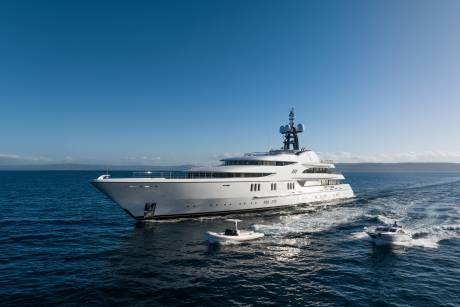
The island's remote location makes it difficult to access, while a yacht allows guests to spend more time exploring its waters and enjoying multiple dives without the constraints of land-based travel.
Cocos Island is a protected marine reserve, and carefully managed tourism helps support conservation efforts and the long-term protection of one of the Pacific's most important marine ecosystems.
For many guests, it's the sheer amount of life beneath the surface. Whether it's a manta ray gliding overhead, a school of hammerheads appearing from the blue or dolphins accompanying the yacht, the experience offers wildlife encounters on a scale few places in the world can match.
let's chat.
Get in touch with one of our teams around the world
Where you'll find us
Monaco — MC
+377 93 50 12 12London — UK
+44 20 7584 1801Fort Lauderdale — US
+1 954 278 3970Auckland — NZ
+64 9 281 5133Contact us
info@y.coShare Moodboard.
Collaborate with a Y.CO Team member to check availability of yachts on your board or receive tailored suggestions based on your inspiration.
Where you'll find us
Monaco — MC
+377 93 50 12 12London — UK
+44 20 7584 1801Fort Lauderdale — US
+1 954 278 3970Auckland — NZ
+64 9 281 5133Contact us
info@y.coLogin/Register
Charter AI can make mistakes. Check important info. See Privacy Policy.